The Decant Advantage: Most Immediately Actionable Sustainability Strategy
Before diving into complex ingredient ethics or corporate responsibility, the single most impactful sustainability practice most fragrance consumers can immediately adopt is systematic decant testing before bottle purchases—dramatically reducing waste while improving purchase satisfaction.
THE FRAGRANCE WASTE PROBLEM: Industry-wide issue:
Statistics on Unused Bottles:
- Estimates: 40-60% of purchased fragrance bottles never completely finished
- Reasons: Chemistry mismatch discovered after purchase, fatigue from fragrance after initial excitement, impulse purchases based on hype, blind-buying without testing, seasonal fragrances worn 2 months then abandoned, duplicates in collection serving similar roles
- Material Waste: Glass bottles, packaging, shipping materials for products ending up unused
Environmental Impact:
- Production Resources: Glass manufacturing (energy-intensive), alcohol/ingredients sourcing, packaging materials (cardboard, plastic, metals)
- Shipping: Multiple international shipments (ingredients → perfume house → distributor → retailer → consumer)
- Disposal: Partial bottles discarded, non-recyclable components, chemical disposal concerns
Personal Financial Waste:
- Average unused bottle: $100-150 wasted
- Collector with 30% unused bottles from 40-bottle collection: $1,200-1,800 wasted
- Industry-wide: Billions in purchased-but-unworn fragrance
HOW DECANT TESTING SOLVES THIS:
The Strategy:
1. Research Interest: Identify fragrance you're considering purchasing ($150-250 full bottle)
2. Order Decant: 2-5ml sample ($10-20)
3. Test Thoroughly: Wear 5-10 times across various contexts, weather, activities
4. Evaluate Honestly: Love it genuinely? Chemistry works? Appropriate contexts? Won't tire of it?
5. Decision:
- YES (passed all tests) → Purchase full bottle with confidence (nearly 100% likelihood of finishing)
- NO (failed any test) → Avoid full bottle (saved $130-230 + prevented material waste)
Material/Waste Reduction:
- Prevented Production: If 40% of fragrance consumers tested via decant first, 30-40% fewer full bottles needed (those that would've gone unused)
- Shipping Consolidation: Decant services consolidate (one 100ml bottle → 20 decants serving 20 people vs. 20 individual 100ml bottles shipped separately)
- Packaging Reduction: Simple decant vials vs. luxury full-bottle packaging (boxes, cellophane, cardboard inserts, decorative elements)
Success Rate Improvement:
- Blind Buying: ~50-60% bottles end up unused/abandoned
- Decant Testing First: ~90-95% bottles purchased after testing get completely finished
- Waste Reduction: Near elimination of regret purchases through thorough testing
FINANCIAL SUSTAINABILITY (Bonus):
Cost Analysis:
- Without Decant Testing: Buy 10 bottles blind ($1,500) → 6 get finished, 4 sit unused ($600 wasted)
- With Decant Testing: Buy 10 decants ($150) → Discover 6 worth bottle purchase ($900) → All 6 bottles finished ($0 wasted)
- Savings: $150 decants + $900 bottles = $1,050 total (vs. $1,500) + zero waste vs. $600 waste
Decant testing is simultaneously MORE sustainable (waste elimination) AND MORE cost-effective (money saving)—rare win-win.
IMPLEMENTATION:
Personal Commitment:
"I will NEVER blind-buy full bottles without decant testing first—no exceptions, no matter how hyped, no matter how good the deal."
Exception Cases (Where Decant Testing Harder):
- Extremely new releases: Decants might not exist yet (wait 2-3 months for decant availability vs. blind-buying)
- Very limited niche: Some tiny artisan perfumers don't have decant services (reach out asking if samples available before bottle commitment)
- Local discovery: If testing in person via consultation and love immediately, can purchase directly (in-person testing validates without needing decant)
CONSULTATION + DECANT COMBINATION:
Optimal Sustainability Process:
1. Consultation Session: Test 20-40 options via scent tubes, narrow to 3-5 serious candidates
2. Decant Testing: Take finalist decants home, test 2-4 weeks in real life
3. Informed Purchase: Buy ONLY bottles passed extended testing
Waste Prevention: Avoids random decant ordering (focused finalists only), prevents blind bottle purchases, maximizes success rate
SC CONTEXT: Local consultation + decant testing approach = maximum sustainability (no shipping back-forth researching randomly, focused efficient process, supporting local business)
BEYOND DECANTS: Additional consumption consciousness:
Finish Before Buying:
- Don't buy new bottles while owning 10 partial bottles already
- Commit to finishing or decisively abandoning before expanding
Collection Audits:
- Annually assess: Which bottles get used? Which sit untouched?
- Sell/swap/gift unused bottles rather than hoarding
- Accept some purchases were mistakes; move them along to people who'll love them
Intentional Not Impulsive:
- Resist "limited edition" FOMO pressure tactics
- Wait 1-2 weeks before purchase considering if you actually need it
- Buy for actual wearing, not collecting display
Realistic Wardrobe Size:
- 3-10 bottles typically sufficient for complete life coverage
- More than 15-20 bottles often indicates collecting-hobby vs. wearing-focus (both valid, but acknowledge which you're doing)
These consumption consciousness practices complement decant testing creating comprehensive sustainable approach.
Ingredient Ethics and Environmental Impact: Natural vs. Synthetic Complexity

Fragrance ingredients involve complex sustainability trade-offs where simple "natural = good, synthetic = bad" or vice versa oversimplifies—understanding nuanced realities enables more informed choices.
THE NATURAL VS. SYNTHETIC DEBATE: Not simple binary:
NATURAL INGREDIENTS: Complex ethics:
Potentially Sustainable Naturals:
- Citrus Oils (Bergamot, Lemon, Orange): By-products of food industry, minimal additional environmental impact
- Lavender, Rosemary: Abundantly cultivated, renewable, minimal impact
- Locally-Sourced Materials: Short supply chains, supporting local agriculture, minimal shipping
Problematic Naturals:
Endangered/Threatened Species:
- Sandalwood: Mysore sandalwood nearly extinct from overharvesting; Australian sandalwood more sustainable alternative but different quality
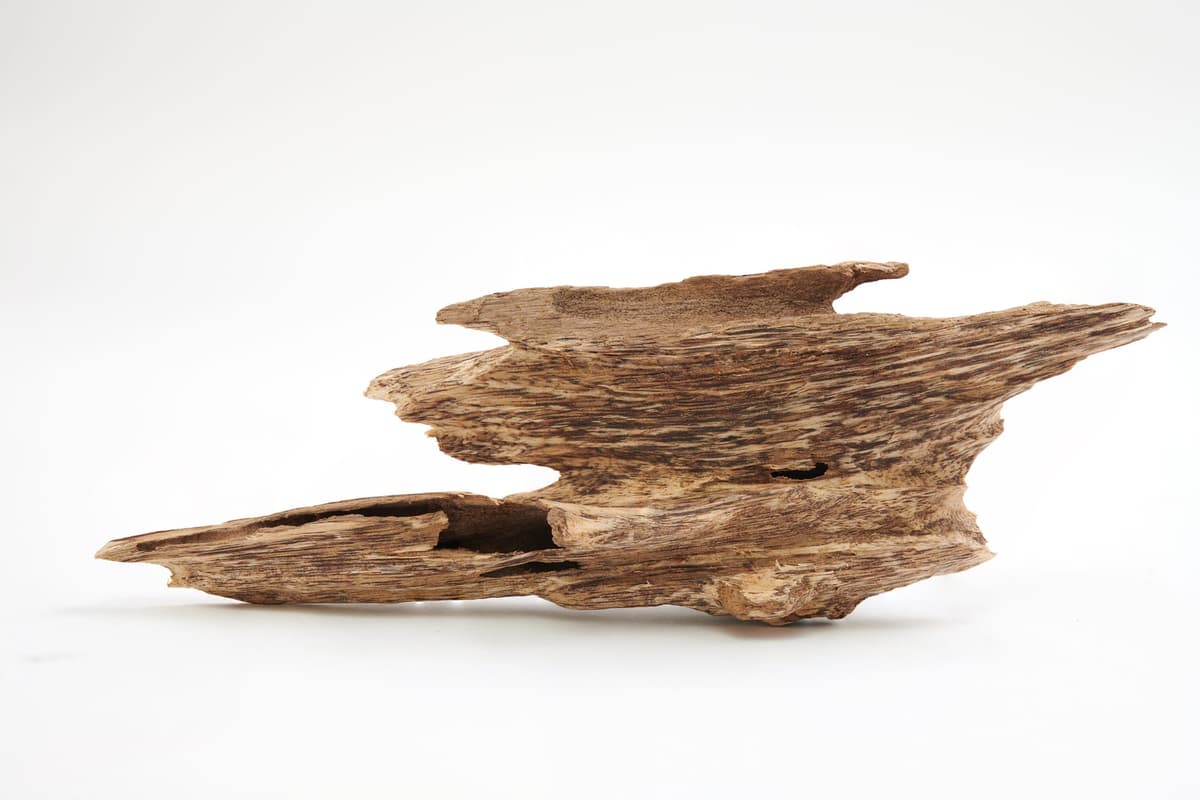
- Agarwood/Oud: Wild agarwood endangered; plantation oud more sustainable but quality debates
- Rosewood: Restricted due to overharvesting, threatened species
- Various Rare Florals: Some jasmine, rose species under pressure
Extractive/Destructive Practices:
- High-Volume Requirements: 1kg rose absolute requires 4,000+ kg rose petals—massive agricultural footprint
- Monoculture: Large-scale flower cultivation for perfume can involve pesticides, monoculture, soil depletion
- Labor Exploitation: Harvesting communities often underpaid, poor working conditions
Animal-Derived Historicals (Mostly Phased Out):
- Musk: Historically from deer glands (cruel, now mostly synthetic recreations)
- Civet: From civet cats (cruel, now synthetic)
- Castoreum: From beaver glands (now rare, synthetic alternatives)
- Ambergris: Whale product (ethically grey—naturally excreted but involves whaling historically)
Modern Reality: Most "musk" or "civet" in contemporary fragrances is synthetic recreation, not actual animal product. Vintage fragrances might contain real animal materials; modern commercial fragrances almost exclusively synthetic.
SYNTHETIC INGREDIENTS: Also complex:
Sustainability Advantages:
- No Agricultural Footprint: Lab production doesn't require vast farming land, pesticides, water-intensive cultivation
- Consistency: Synthetic production reliable without depleting wild populations
- Scalability: Can produce quantity needed without environmental extraction
- Safety: Can avoid allergens or irritants present in naturals
Sustainability Concerns:
- Petrochemical Base: Many synthetics derived from petroleum (fossil fuel concerns)
- Production Pollution: Chemical manufacturing can involve pollutants, waste, energy intensity
- Non-Biodegradable: Some synthetic musks persist in environment, accumulate in waterways
- Greenwashing: "Synthetic = sustainable" can oversimplify when production process polluting
Modern Sustainable Synthetics:
- Biotech developments: Lab-grown materials, fermentation-based production, sustainable chemistry
- Green chemistry principles: Reducing waste, solvents, energy in production
THE NUANCED TRUTH:
Not Simple: "Natural = bad, synthetic = good" OR "Natural = good, synthetic = bad" both oversimplify
Reality: Some naturals sustainable (citrus by-products, abundantly cultivated lavender), some problematic (endangered sandalwood, labor exploitation). Some synthetics sustainable (replacing endangered naturals, reducing agriculture footprint), some problematic (petrochemical, persistent environmental accumulation).
PRACTICAL ETHICAL FRAGRANCE CHOICES:
What You CAN Control:
1. Choose Transparent Brands:
- Seek: Brands disclosing sourcing, discussing sustainability efforts, transparency about ingredients
- Examples: Many niche houses (Abel, Lush, various indie perfumers) emphasize transparency; some luxury brands improving (Hermès sustainable sourcing initiatives)
- Avoid: Complete opacity refusing any ingredient or sourcing discussion
2. Avoid Known Problematic Ingredients:
- Endangered Materials: Mysore sandalwood, wild agarwood, rosewood—choose sustainable alternatives
- Animal-Derived: Seek synthetics over real animal materials (modern fragrances mostly already are)
3. Support Sustainable Innovation:
- Biotech Naturals: Lab-grown materials reducing agricultural impact
- Upcycled Materials: Fragrances using waste-stream ingredients (repurposing by-products)
- Sustainable Sourcing Programs: Brands with transparent ethical sourcing
4. Moderate Consumption:
- Biggest Impact: Buying less overall reduces footprint regardless of ingredients
- Intentional Purchasing: Thorough testing, thoughtful selection, finishing what you own
What You CANNOT Easily Control:
- Supply Chain Complexity: Most fragrances have 20-50+ ingredients from worldwide sources—comprehensive audit nearly impossible
- Formula Secrecy: Proprietary formulas mean limited transparency even from well-intentioned brands
- Industry Structure: Dominated by large conglomerates with complex global operations
REALISTIC APPROACH:
Perfect Information: Impossible to obtain
Perfect Ethics: Impossible to achieve
Meaningful Improvement: Achievable through informed choices
Focus on progress over perfection—even imperfect conscious choices better than unconscious consumption.
Santa Cruz Values Applied to Fragrance: Local Conscious Consumption Culture

Santa Cruz's distinctive environmental consciousness, progressive values, independent business support, and mindful consumption culture create specific framework for ethical fragrance practices aligned with local community norms.
SC ENVIRONMENTAL VALUES: How they translate to fragrance:
Reduce, Reuse, Recycle Traditional Approach:
REDUCE (Most Impactful):
- Application to Fragrance: Buy fewer bottles overall; test thoroughly preventing unwanted purchases; finish what you own before expanding
- SC Mindset: Quality over quantity, intentional over impulsive, sufficient over excessive
- Practical Actions: Decant testing, wardrobe audits, resisting FOMO collection accumulation
REUSE:
- Application to Fragrance: Seek refillable bottles (some brands offer), repurpose beautiful bottles for display or other uses, use travel atomizers refilling from main bottles
- SC Mindset: Creative repurposing, repair over replace
- Limited Applicability: Fragrance less amenable to traditional reuse than other products
RECYCLE:
- Application to Fragrance: Choose brands with recyclable packaging, dispose properly (glass recyclable, spray mechanisms often not), participation in brand take-back programs where available
- SC Mindset: Responsible disposal, supporting circular economy
- SC Resources: City recycling accepts glass bottles (remove spray mechanisms if possible)
BEYOND TRADITIONAL ENVIRONMENTALISM: SC's broader values:
Support Independent Local Business:
- SC Value: Prefer local over corporate chains, independent over conglomerate
- Fragrance Application: Buy from local Santa Cruz businesses (consultations, decants), support indie perfumers over massive corporate brands, choose niche houses over P&G/LVMH/Estée Lauder conglomerate mass-market when possible
- Why It Matters: Money flows to small businesses, artisans, local economy vs. distant shareholders
Transparency and Authenticity:
- SC Value: Authentic genuine over marketing BS, transparency over greenwashing, honest practices over PR spin
- Fragrance Application: Support brands with genuine transparency about sourcing/ingredients/practices, avoid obvious greenwashing ("100% natural!" while actually 95% synthetic with token natural top note), question marketing claims
- Critical Thinking: If sustainability claims seem too good to be true, probably are
Community Care and Consideration:
- SC Value: Individual choices impact community; consideration for others' health, sensitivities, shared spaces
- Fragrance Application: Scent-conscious wearing (moderate projection respecting sensitive neighbors, fragrance-free spaces when requested), choosing less-toxic options for shared environments, awareness of headache/asthma triggers
- Scent Ethics: Sustainability isn't just environmental—includes human health impacts
Mindful vs. Mindless Consumption:
- SC Value: Intentional purchasing reflecting genuine needs/values vs. capitalist consumption filling voids
- Fragrance Application: Curating wardrobe thoughtfully (3-10 intentional pieces) vs. accumulating compulsively (50+ bottles displaying "wealth"), buying for wearing vs. collecting for status, questioning each purchase ("Do I genuinely need this or am I filling emotional void?")
- Consciousness: Fragrance as intentional pleasure vs. consumption-for-consumption's-sake
PRACTICAL SC-ALIGNED FRAGRANCE PRACTICES:
1. LOCAL CONSULTATION + DECANT MODEL (Santa Cruz Business):
- What: Support local SC fragrance business (consultations, decant library access)
- Why SC-Aligned: Local business support, community economic circulation, personal relationships over corporate transactions
- Sustainability: Reduces shipping (local pickup), supports small business, enables thorough testing preventing waste
- Vs. Alternative: Ordering from massive online discounters (FragranceNet, etc.)—cheaper per bottle but sends money to distant corporations, higher waste likelihood without testing, shipping environmental costs
2. INTENTIONAL WARDROBE CURATION:
- What: Deliberately building 3-10 piece collection where everything gets worn regularly
- Why SC-Aligned: Mindful consumption, quality over quantity, sufficient-not-excessive
- Sustainability: Reduced production demand, elimination of waste (everything finished), modest appropriate consumption
- Vs. Alternative: "Collection" mentality accumulating 50-100+ bottles most never worn—material excess, wealth display over use
3. NICHE/INDIE SUPPORT WHEN POSSIBLE:
- What: Choosing independent perfumers, small houses, artisan brands over corporate mass-market when quality/price comparable
- Why SC-Aligned: Anti-corporate, independent artisan support, authentic vs. mass-produced
- Sustainability: Often better transparency, more ethical practices, less excessive packaging, sometimes more sustainable sourcing
- Caveat: Niche isn't automatically more ethical; some indies still problematic; some corporate brands improving; requires case-by-case assessment
4. SHARING/SWAPPING CULTURE:
- What: Trading decants with local fragrance community, gifting unwanted bottles, buying secondhand
- Why SC-Aligned: Community sharing, resource circulation, waste elimination
- Sustainability: Extends product life, prevents disposal, reduces new production demand
- SC Implementation: Local fragrance enthusiast meetups, decant swapping, Facebook groups
5. FINISHING BEFORE BUYING:
- What: Complete commitment to using what you own before expanding collection
- Why SC-Aligned: Anti-wastefulness, intentionality, sufficient-mindset over scarcity-driven accumulation
- Sustainability: Reduces demand, prevents waste, models conscious consumption
- Psychological Shift: From "collecting" to "curating for actual wearing"
6. PACKAGING CONSCIOUSNESS:
- What: Preferring brands with minimal packaging, refusing excessive luxury boxes, choosing refillable options
- Why SC-Aligned: Waste reduction, anti-excessive luxury consumption, practical over ostentatious
- Sustainability: Direct packaging waste reduction, signals to brands that excessive packaging unwanted
- Examples: Some Diptyque/Byredo bottles come with optional boxes (decline box), various niche brands use simple packaging
7. TRAVEL ATOMIZERS (Reducing Redundancy):
- What: Using refillable travel atomizers (3-10ml) from main bottles rather than buying multiple travel sizes
- Why SC-Aligned: Reuse over disposable, practical sustainability
- Sustainability: Eliminates redundant packaging (one 100ml bottle + atomizer vs. one 100ml + three 10ml travel sizes separately packaged)
- Practical: Better for actual travel while more sustainable
THE SC FRAGRANCE COMMUNITY VALUES:
Santa Cruz fragrance consumers tend to:
- Prioritize Experience Over Status: Wearing fragrance for personal enjoyment vs. wealth/status display
- Support Local/Independent: Choosing local businesses and indie perfumers when reasonable
- Practice Moderation: Appropriate consumption levels vs. excessive accumulation
- Value Transparency: Preferring honest brands over marketing BS
- Consider Community: Scent-conscious wearing respecting others
- Think Long-Term: Sustainability and ethics mattering beyond immediate gratification
These align perfectly with broader SC community values (environmental, progressive, local-focused, authentic, mindful).