4 min read
Niche Fragrance Samples in Santa Cruz
Niche fragrances are artisanal scents made by independent houses that care more about quality ingredients and creative expression than mass appeal. These are the fragrances you will not find at a department store counter: unique, thoughtful, and often surprising. Sampling them first, in small decant sizes, is how you explore that world without gambling on a full bottle. Smell a range through scent tubes on a [free scent flight](/flights), then take home whatever caught you.

What Makes a Fragrance Niche
Niche fragrances come from smaller, independent perfumers who chase an artistic idea instead of a sales target. Think of it as the craft coffee of fragrance: small batch, thoughtfully made, and distinct.
Independent creation: These houses are usually run by perfumers, artists, or obsessives rather than large conglomerates, so the person's taste actually shows up in the bottle.
Better materials, real risk: Niche budgets go into the juice, not celebrity ads, so you often get richer, more natural feeling ingredients and compositions that are willing to be strange, quiet, or challenging.
A point of view: Many niche scents are built around an idea or a place, so they smell like something specific rather than a focus grouped crowd pleaser. That is exactly why sampling matters; some will floor you and some will not be for you, and that is the fun of it. If you are just starting out, our guide on picking your first niche fragrance is a good on ramp.
Why Sample Before Buying
Niche fragrances can be bold, unusual, or quietly complex, and they behave differently on different skin. A scent that sounds perfect in the description, or smells amazing on a friend, can turn sharp or sweet on you, or project far more than you want for a shared office. Sampling is how you find out before you commit. You wear it across a normal week and learn whether it fits your morning commute, your coworkers, and the way your own chemistry reads it. Because niche bottles are an investment, that small upfront test saves you from an expensive shelf decoration you never reach for. Not sure where to begin? A free scent flight lets you smell ten at once and walk out with decants of only the ones worth living with.
Browse Our Collection
Shop NowNotable Niche Houses We Carry
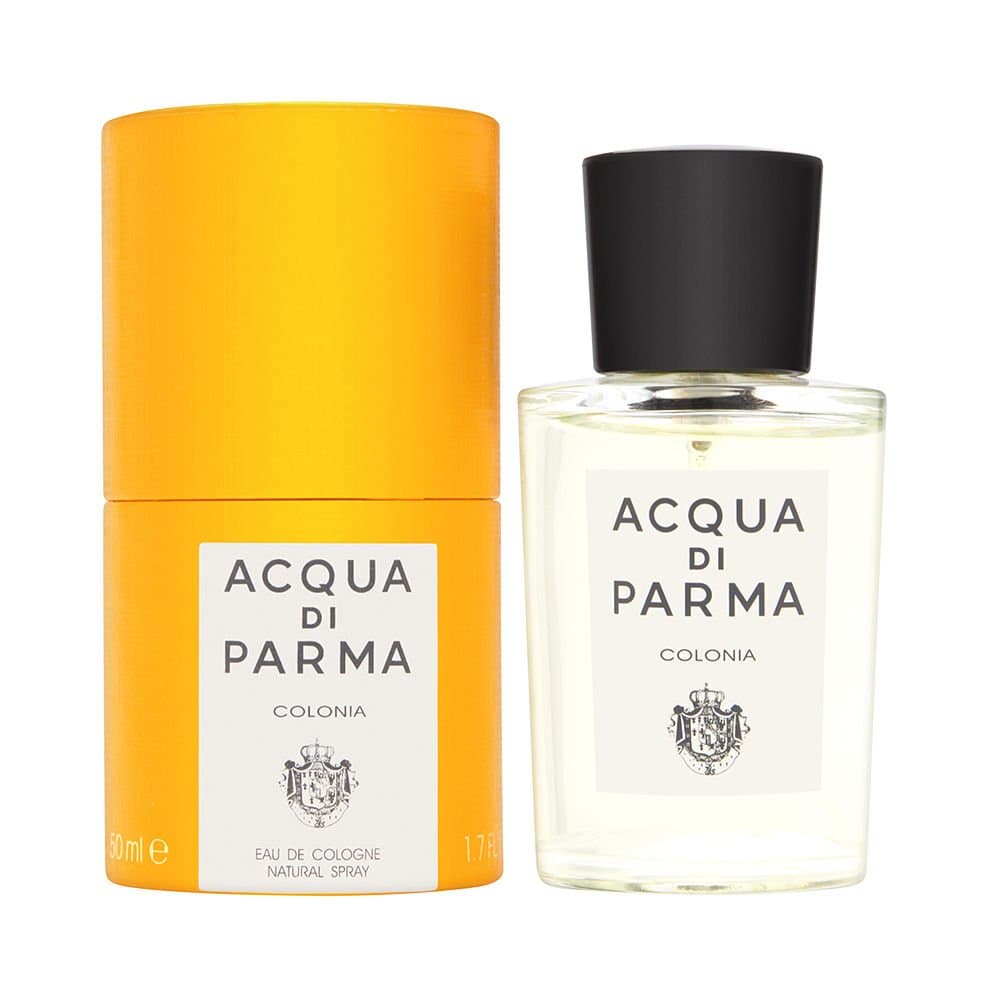
Our niche selection focuses on houses that align with Santa Cruz values: quality, authenticity, and thoughtful creation. Le Labo Brooklyn-based house known for minimalist aesthetic and "blended to order" philosophy. Their fragrances feel urban yet natural, sophisticated without pretension. Santal 33 has achieved cult status, but their full line offers diverse options.
Building Your Niche Collection
There is no rush to own a shelf of niche bottles. A better approach is slow and deliberate.
Start with one: Pick a single 5ml decant of something that genuinely moved you and live with it for a few weeks. Learn how it opens, how it settles, and how it wears in fog and in sun before you add anything.
Fill real gaps: Only add a second or third when it does something the first one does not, a fresh daytime option next to a warmer evening scent, for example, rather than three variations on the same idea.
Buy the bottle when you are sure: Once a decant runs low and you already miss it, that is your signal it earns a full bottle. Everything else stays a sample. Build slowly this way and you end up with a small collection you actually wear instead of a drawer of impulse buys. Our guide to perfume decants walks through sizing and pricing in more detail.
Ready to Discover Your Signature Scent?
Visit in person for a guided, no-pressure session.
Frequently Asked Questions
Still Have Questions? Come Smell for Yourself
Stop by the shop to explore fragrances in person. No pressure, just guided discovery.
Related Topics
Perfume Decants in Santa Cruz
Perfume decants are small portions of luxury fragrances, carefully transferred into travel-friendly bottles. Instead of blind-buying a $200+ bottle, you can test a fragrance in your daily life for a fraction of the cost. For perfume enthusiasts and newcomers alike, decants transform fragrance discovery from expensive risk to accessible exploration.
Artsy / Indie Niche Fragrances
Artsy indie fragrances represent perfumery's creative edge, small independent perfume houses and individual perfumers prioritizing artistic expression, conceptual exploration, unusual materials, unconventional structures, and personal vision over commercial mass-appeal, focus-group testing, or profit maximization. These aren't fragrances designed to sell millions of bottles worldwide; they're artistic statements, olfactory experiments, personal creative projects, conceptual explorations, or niche-within-niche offerings targeting specific aesthetics, philosophies, or subcultural sensibilities rather than broad demographics. Characteristics distinguishing artsy indie perfumes from mainstream designer/commercial niche fragrances include: unusual unexpected note combinations (dirt, gasoline, mushroom, seaweed, blood, rusted metal, materials rarely seen in conventional perfumery), conceptual or literary inspiration (fragrances telling specific stories, exploring philosophical ideas, referencing obscure literature/art/music), rejection of traditional fragrance structures (abandoning cologne pyramid conventions for linear compositions, anti-perfumes, or abstract scent experiences), small-batch or one-off production (limited releases, custom commissions, experimental series), direct artist-to-consumer relationships (indie perfumers often personally involved in sales/customer relationships vs. corporate intermediaries), and prices reflecting either artisan craft economics (hand-blended small batches commanding premium) or accessible indie ethos (bypassing luxury markup keeping prices reasonable). Santa Cruz's creative community, artists, musicians, writers, craftspeople, alternative thinkers, counterculture veterans, UCSC intellectuals, independent entrepreneurs, naturally gravitates toward indie fragrances aligned with local values: supporting independent creators over mega-corporations, appreciating authentic artistic vision over committee-designed commercial products, valuing uniqueness and self-expression over conformity and status-signaling through luxury brands, celebrating craftsmanship and materials over marketing and packaging, and seeking fragrances reflecting individual identity rather than demographic category ("men's cologne," "women's perfume," mass-market appeal).
Your First Niche Fragrance (Starter Guide)
Stepping into niche fragrance can feel overwhelming. Hundreds of brands, unfamiliar names, higher prices, and no familiar reference points. This guide helps you navigate your first niche purchase with confidence. Niche fragrance represents perfumery's craft movement: independent creators prioritizing artistry, quality ingredients, and creative risk-taking over mass appeal and marketing budgets.