
Fragrance Tasting in Santa Cruz

Fragrance tasting applies wine-tasting methodology to perfume discovery—structured guided experience where you sample multiple fragrances sequentially, learn to identify individual notes and compositional structures, develop olfactory vocabulary articulating preferences and perceptions, discover personal taste patterns through systematic comparison, and build fragrance literacy enabling confident independent exploration. Just as wine tastings teach you to distinguish Pinot Noir from Cabernet, identify tannins and oak influence, articulate "I prefer fruit-forward medium-body reds from cool climates," fragrance tastings teach you to distinguish vetiver from patchouli, identify vanilla vs. tonka sweetness, recognize modern molecular fragrances vs. classical natural-rich compositions, and articulate "I love fresh-woody with bergamot and iris, modern clean aesthetic, subtle projection." The parallel extends beyond metaphor: both involve sensory education (training nose to detect specific aromatic components), vocabulary building (learning technical terms describing what you experience), preference discovery (identifying personal taste through systematic sampling), context considerations (food-wine pairing parallels fragrance-lifestyle matching), quality recognition (distinguishing craft from commodity), and social enjoyment (sharing experience with others creating community connection). For Santa Cruz residents—whether complete fragrance beginners curious about niche territory, wine enthusiasts wanting to develop parallel olfactory sophistication, cultural sophisticates appreciating sensory education across domains, couples seeking interactive date experience beyond typical restaurant dinner, or friend groups wanting social discovery activity—fragrance tasting combines education and entertainment: you're learning valuable skill (fragrance literacy serving you for years) while enjoying pleasant social experience (smelling beautiful things, discussing reactions, discovering together). Sessions structured pedagogically (building knowledge systematically not randomly), paced appropriately (avoiding sensory overload through thoughtful sequencing), conversational and relaxed (questions encouraged, no wrong answers, judgment-free exploration), and practically useful (leave with actionable knowledge about what to buy, what to avoid, how to navigate fragrance landscape independently). Whether you're exploring fragrance seriously (considering building collection, wanting informed purchase decisions) or casually (fun date activity, cultural experience, sensory adventure), fragrance tasting provides accessible entry point combining pleasure (smelling interesting beautiful fragrances), education (building genuine expertise), social connection (shared discovery experience), and practical utility (knowledge serving future fragrance decisions).

Fragrance Tasting in Santa Cruz

The Wine-Fragrance Tasting Parallel: Why This Methodology Works for Scent Discovery

How wine tasting methodology translates beautifully to structured fragrance discovery
Wine tasting methodology translates beautifully to fragrance education—both require sensory training, vocabulary building, and systematic comparison revealing preferences. WHY WINE TASTING METHODOLOGY WORKS FOR FRAGRANCE: 1. SEQUENTIAL STRUCTURED SAMPLING: Wine Approach: - Taste 5-8 wines sequentially (not randomly) - Deliberate order: light → heavy, white → red, dry → sweet - Comparison revealing distinctions that isolated tasting misses - Palate cleansers between samples (water, bread) Fragrance Parallel: - Smell 8-12 fragrances sequentially using scent tubes - Deliberate order: fresh → floral → woody → oriental (light → heavy, simple → complex) - Comparison revealing note distinctions (vetiver in fragrance A vs. B) - "Nose breaks" between samples (smelling coffee beans, stepping outside, pausing) Why Sequential Matters: Random sampling lacks context—you smell fragrance alone. Sequential sampling creates contrast—"This one feels heavier/sweeter/woodier than previous"—making characteristics explicit through comparison. 2. VOCABULARY AND SENSORY EDUCATION: Wine Approach: - Teaching terminology: tannins, oak, body, acidity, fruit-forward, terroir - Training palate: "That dryness you feel? Tannins. That vanilla/butter? Oak aging." - Building descriptive precision: "fruity" → "cherry and blackberry" → "ripe Bing cherry with subtle blackberry undertones" Fragrance Parallel: - Teaching terminology: top/heart/base notes, families (woody, floral, oriental, fresh), projection, longevity, sillage - Training nose: "That earthy rooty smell? Vetiver. That creamy sweetness? Sandalwood. That sparkling opening? Bergamot." - Building descriptive precision: "fresh" → "citrus and herbs" → "bergamot and lavender with subtle green grass undertone" Why Vocabulary Matters: Pre-tasting: "I like fresh scents" (vague, unhelpful) Post-tasting: "I love bergamot-vetiver combinations with iris, modern clean style" (specific, actionable) Vocabulary transforms nebulous impressions into communicable knowledge enabling independent exploration. 3. PREFERENCE PATTERN DISCOVERY: Wine Approach: Through tasting multiple examples, discovering: "I consistently love fruit-forward medium-body reds but dislike heavy tannic Cabs" Or: "I prefer crisp acidic whites (Sauvignon Blanc) over buttery oaked whites (Chardonnay)" Fragrance Parallel: Through smelling multiple examples, discovering: "I consistently love fresh-woody (vetiver, bergamot, iris) but dislike sweet orientals (vanilla, amber)" Or: "I prefer modern molecular minimalism over classical complex natural-rich compositions" Why Pattern Recognition Matters: Without systematic sampling: confused random preferences, expensive trial-and-error With pattern recognition: confident targeted exploration, efficient discovery, reduced waste 4. QUALITY RECOGNITION AND CRAFT APPRECIATION: Wine Approach: Learning to distinguish: mass-produced commodity vs. artisan craft Recognizing: quality ingredients, skillful winemaking, complexity vs. simplicity Understanding: why some cost $10 and others $100 (beyond marketing) Fragrance Parallel: Learning to distinguish: mass-market designer vs. niche artisan vs. indie creative Recognizing: quality ingredients (natural vs. cheap synthetics), perfumer skill, compositional complexity Understanding: why some cost $30 and others $300 (materials, craft, scale) Why Quality Recognition Matters: Prevents: paying luxury prices for commodity quality, missing genuine quality due to unknown brand Enables: informed value assessment, appreciation of craft justifying premium 5. CONTEXT AND PAIRING CONSIDERATIONS: Wine Approach: Understanding: food-wine pairing (heavy reds with steak, crisp whites with seafood) Context appropriateness: casual backyard vs. formal dinner vs. celebration Seasonal considerations: light summer whites vs. hearty winter reds Fragrance Parallel: Understanding: fragrance-lifestyle matching (subtle for work, bolder for evening, fresh for beach) Context appropriateness: professional workplace vs. casual weekend vs. special occasion Climate considerations: SC marine layer vs. sunny afternoon, year-round versatile vs. seasonal Why Context Matters: Loving fragrance in tasting environment ≠ appropriate for your actual life Understanding context fit prevents buying fragrances you'll never actually wear 6. SOCIAL ENJOYMENT AND COMMUNITY: Wine Approach: Wine tasting is inherently social—discussing reactions, comparing notes, sharing discoveries Creates community connection around shared experience and developing expertise Fragrance Parallel: Fragrance tasting equally social—discussing what you smell, comparing reactions, discovering together Creates community among fragrance enthusiasts, couples bonding, friend groups exploring Why Social Element Matters: Makes education entertaining not tedious Different perspectives enrich everyone's experience ("You smell vanilla? I get more tonka!") Creates memories and relationships beyond just learning THE COMPLETE PARALLEL SUMMARY: | Wine Tasting | Fragrance Tasting | |---|---| | Sequential sampling, light → heavy | Sequential sampling, fresh → oriental | | Vocabulary: tannins, oak, body, acidity | Vocabulary: notes, families, projection, sillage | | Pattern discovery: fruit-forward vs. tannic | Pattern discovery: fresh-woody vs. sweet-oriental | | Quality recognition: craft vs. commodity | Quality recognition: niche vs. mass-market | | Food pairing considerations | Lifestyle/context matching | | Social community experience | Social community experience | SANTA CRUZ CONTEXT: Santa Cruz has robust wine culture (local wineries, tasting rooms, wine appreciation)—residents already understand and value tasting methodology. Applying familiar approach to fragrance makes scent education accessible and enjoyable rather than intimidating or pretentious. The Beautiful Alignment: If you've ever enjoyed wine tasting, you'll appreciate fragrance tasting using same methodology for different sensory domain.

The Fragrance Tasting Experience: Structure, Sequence, and Pedagogy

Structured fragrance tasting session sequence and pedagogical approach
Professional fragrance tasting follows deliberate structure maximizing learning while maintaining enjoyment—neither overwhelming chaos nor dry academic lecture. THE TYPICAL FRAGRANCE TASTING SESSION: DURATION: 60-75 minutes (optimal for sensory engagement without fatigue) PARTICIPANTS: 1-4 people typically (solo, couples, small friend groups) STRUCTURE AND SEQUENCE: OPENING CONTEXT (5-10 minutes): Before smelling anything, brief introduction establishing framework: What We'll Do Today: - "We'll smell 10 fragrances across four major families" - "Using scent tubes not spraying—clearer, more controlled" - "Take your time, honest reactions encouraged, no wrong answers" - "Goal: discover your preferences and build vocabulary" Brief Fragrance Basics: - Fragrance families exist (fresh, floral, woody, oriental) - Compositions have structure (top notes → heart → base developing over hours) - Everyone's chemistry and preferences different (what works for friend might not work for you) - Fragrance has no gender despite marketing (wear what you love) Your Current Relationship: - Do you currently wear fragrance? What? - Any past loves or hates? - What brings you here today? (curiosity, seeking signature, gift for someone, fun date activity) This brief context makes everything following more meaningful—not just random smelling, but purposeful exploration. FAMILY 1: FRESH (10-15 minutes, 2-3 fragrances): Why Start Fresh: - Lightest, least intimidating family - Widely appealing (most people comfortable with fresh) - Clean slate for palate (hasn't been overwhelmed yet) Fragrances Presented: - Bright Citrus: Acqua di Parma Colonia (bergamot, lemon, lavender—classical Italian fresh) - Aquatic Modern: Maison Margiela Sailing Day (marine, salt, aquatic—contemporary fresh) - Green Aromatic: Hermès Eau d'Orange Verte (orange, mint, herbs—green fresh) Teaching Points: - Citrus identification: "That bright sparkly opening? Bergamot and lemon—classic fresh notes" - Aquatic character: "This marine quality feels synthetic/clean—some love it, others find it cold" - Green vs. bright: "Green notes (mint, herbs) feel more earthy than sunny citrus brightness" Preference Discovery: - Which fresh style resonates? Bright sunny citrus? Cool aquatic? Green herbal? - Or does fresh generally feel too simple/light for you? FAMILY 2: FLORAL (10-15 minutes, 2-3 fragrances): Why Floral Second: - Medium weight (heavier than fresh, lighter than woody/oriental) - Reveals gender-coding reactions (many men think they "should" avoid florals—discovering they actually love iris or violet) - Wide diversity (powdery iris ≠ heavy tuberose ≠ green rose) Fragrances Presented: - Powdery Iris: Prada L'Homme or Dior Homme (iris, violet, subtle sweetness—elegant sophisticated) - White Floral: Carnal Flower or Tom Ford Jasmin Rouge (jasmine, tuberose—rich heady) - Rose: Frederic Malle Portrait of a Lady or Chanel Coco Mademoiselle (rose, patchouli—classical floral) Teaching Points: - Iris/Violet distinction: "Powdery sophisticated vs. 'grandma's perfume'—iris is modern elegant, not dated" - White floral intensity: "Jasmine/tuberose are big bold florals—love or hate, rarely neutral" - Rose complexity: "Rose ranges from fresh garden (green) to rich jammy (Portrait) to sharp metallic" Preference Discovery: - Comfortable with florals or feel too feminine-coded? - Love powdery sophisticated iris but overwhelmed by heavy white florals? - Or florals generally not your territory? FAMILY 3: WOODY (15-20 minutes, 3-4 fragrances): Why Woody Middle-to-Late: - Heavier than fresh/floral (requires palate readiness) - Very popular family (most people love SOME woody) - High diversity (creamy sandalwood ≠ earthy vetiver ≠ dry cedar ≠ intense oud) Fragrances Presented: - Creamy Sandalwood: Le Labo Santal 33 (sandalwood, cedar, iris—modern woody) - Earthy Vetiver: Hermès Terre d'Hermès or Tom Ford Grey Vetiver (vetiver, citrus—grounding earthy) - Dry Cedar: Chanel Allure Homme Sport (cedar, citrus, fresh-woody) - Oud (Optional): Tom Ford Oud Wood (oud, sandalwood—intense exotic) Teaching Points: - Sandalwood character: "Creamy sweet woody—incense-like but wearable, not churchy" - Vetiver earthiness: "Rooty, grassy, earthy—grounding masculine-coded but unisex" - Cedar dryness: "Pencil shavings, clean woody—masculine fresh-woody territory" - Oud intensity (if including): "Intense, animalic, exotic—polarizing love-or-hate" Preference Discovery: - Which woody style? Creamy sweet (sandalwood)? Earthy grounding (vetiver)? Clean dry (cedar)? - Comfortable with woody intensity or prefer woods as supporting role not dominant? - Oud fascinating or overwhelming? This is typically richest exploration—woody family so diverse and popular FAMILY 4: ORIENTAL (10-15 minutes, 2-3 fragrances): Why Oriental Last: - Heaviest, richest, most complex family - Can be polarizing (love sweet warmth or find cloying) - Palate fatigue consideration (if starting to tire, keep this section shorter) Fragrances Presented: - Vanilla Gourmand: Mugler Angel or Dior Hypnotic Poison (vanilla, caramel—sweet dessert-like) - Amber Resinous: Serge Lutens Ambre Sultan (amber, resins, herbs—warm spicy) - Incense: Comme des Garçons Avignon (incense, woods—spiritual churchy) Teaching Points: - Vanilla sweetness: "Gourmand = dessert-like (vanilla, caramel, tonka)—comforting or cloying depending on preference" - Amber warmth: "Amber = resinous sweet warmth—cozy or heavy depending on perspective" - Incense spirituality: "Church incense, meditation, spiritual—some find beautiful, others too religious/serious" Preference Discovery: - Love sweet warmth or find orientals too heavy/sweet? - Comfortable with vanilla/amber or feels like "too much"? - Or completely wrong territory for you? WRAP-UP AND SYNTHESIS (10-15 minutes): Pattern Identification Together: Reviewing reactions across families: - "You loved all the fresh and woody fragrances but felt florals and orientals were too much" - "Fresh-woody is clearly your territory—bergamot, vetiver, sandalwood resonating" - "You preferred modern minimal (Sailing Day, Santal 33) over classical complex" Vocabulary Recap: - You now recognize: bergamot, vetiver, sandalwood, iris, vanilla, amber - You understand: fresh vs. woody vs. floral vs. oriental families - You can articulate: "I love fresh-woody, modern style, subtle projection" Practical Next Steps: - Decant Selection: "Take home 5ml of Terre d'Hermès, Santal 33, Grey Vetiver—test in real life" - Future Exploration: "Explore more fresh-woody: Prada L'Homme, Bleu de Chanel, Dior Homme Cologne" - Avoid Territory: "Skip vanilla-heavy orientals and big white florals—not your zone" Questions and Discussion: Open conversation about anything: - "Why did bergamot feel so different in Colonia vs. Terre d'Hermès?" (concentration, supporting notes) - "Can I wear Santal 33 to work?" (context appropriateness) - "What if I get bored with fresh-woody?" (exploration strategies) SENSORY FATIGUE MANAGEMENT: Why It Matters: Human nose fatigues after 8-12 fragrances—diminishing discrimination, everything starts smelling same Prevention Strategies: - Pacing: Don't rush, allow 30-60 seconds between samples - Nose breaks: Smell coffee beans between families (resets palate), step outside briefly - Sequencing: Light → heavy prevents heavy from overwhelming light - Limitation: 10-12 fragrances maximum (not 20+) If Fatigue Occurs: - Take longer break (5 minutes outside) - Conclude earlier if needed (quality over quantity) - Schedule follow-up tasting rather than pushing through SOCIAL DYNAMICS: Solo Tasting: - More introspective, focused on YOUR reactions - Allows private exploration without performing for others - Expert attention fully on you Couples/Friend Groups: - Shared experience, comparing reactions - "You smell vanilla? I get more tonka!"—different perceptions enriching understanding - Fun entertaining educational date/gathering Both valid, different energies and benefits.

Santa Cruz-Specific Fragrance Tasting: Local Context Integration

Santa Cruz-specific climate, lifestyle, and cultural context integration in fragrance tasting
Santa Cruz fragrance tastings integrate local climate, lifestyle, culture, and values—not generic fragrance education but specifically relevant to living and wearing fragrance here. SC-SPECIFIC CONTEXT THROUGHOUT TASTING: CLIMATE CONSIDERATIONS: Marine Layer Performance: As you smell fragrances, discussing: "How would this perform in 55°F morning fog?" - Fresh fragrances: Often struggle in cold fog (disappear quickly, feel thin) - Woody fragrances: Generally robust in fog (earthy grounding works beautifully) - Heavy orientals: Can feel oppressive even in cool weather (too cloying when trapped by fog) Temperature Swing Versatility: "SC goes from 55°F morning to 75°F afternoon—can this fragrance handle that range?" - Some fragrances versatile (work cold and warm) - Others temperature-specific (only work warm, or only cool) Humidity Effects: "SC coastal humidity affects fragrance projection and longevity" - Higher humidity = more projection (scent carries in moisture) - Testing fragrances with SC humidity context in mind LIFESTYLE APPROPRIATENESS: Outdoor Activity Compatibility: "You spend time at beach, redwoods, West Cliff—how does this fragrance fit?" - Beach: Fresh aquatics harmonize; heavy orientals clash with salt air - Redwoods: Earthy woody fragrances complement forest; synthetic aquatics feel wrong - Outdoor dining: Moderate projection works; beast-mode projection overwhelms food Casual Sophisticated Aesthetic: "SC style: casually sophisticated—quality without pretension" - Some fragrances feel too formal (heavy luxury coded) - Others perfectly match (sophisticated but not stuffy) - Discussing which fragrances align with local aesthetic Active Lifestyle Considerations: "Surfing, cycling, yoga, hiking—active SC life affects fragrance choices" - Post-exercise fragrance application timing - Sweat interaction with fragrances - Gym/studio scent-sensitivity respect SCENT-CONSCIOUS CULTURE: Shared Space Respect: "SC has many scent-sensitive environments—yoga studios, coworking, health clinics" - Which fragrances low-projection appropriate? - Beast-mode fragrances problematic locally even if you love them Environmental Values: "SC environmental consciousness extends to fragrance choices" - Discussion of natural vs. synthetic (complexity beyond "natural = good") - Indie brand support (local values) - Sustainable consumption (testing before buying = waste prevention) Anti-Pretension Culture: "SC suspicious of luxury-brand ostentation" - Some fragrances feel pretentious here (loud luxury signaling) - Others feel authentic (quality without showing off) - Matching fragrance to local values COMMUNITY AND SOCIAL CONTEXT: UCSC Intellectual Culture: "Local academic/intellectual community appreciates conceptual fragrances" - Artsy indie perfumes (Imaginary Authors, CB I Hate Perfume) resonate - Literary/artistic fragrance approaches match local sensibility Artist and Craftsperson Community: "SC values independent artists—indie perfumers align with local culture" - Supporting small perfumers vs. mega-corporations - Craft appreciation across domains (pottery, woodworking, perfumery) Progressive Inclusive Values: "Fragrance has no gender—wear what you love" - Actively challenging gendered fragrance marketing - Unisex/genderless fragrance celebration PRACTICAL SC RECOMMENDATIONS: Throughout tasting, making specific local recommendations: Work-Appropriate for SC Workplaces: "If you work at tech startup / wellness business / UCSC / local school:" - Low-projection options (Glossier You, Prada L'Homme, Escentric 01) - Avoid: beast-mode oud, heavy orientals, loud projection Beach Day Options: "West Cliff walk, Twin Lakes beach time, Pleasure Point:" - Fresh aquatics, citrus-woody, clean fragrances - Avoid: heavy perfumed florals (clash with ocean air) Redwood Hiking Compatible: "Henry Cowell, Forest of Nisene Marks, UCSC campus trails:" - Earthy woods (vetiver, cedar, sandalwood) - Avoid: synthetic aquatics, heavy vanillas (feel wrong in forest) Evening Downtown: "Abbott Square dinner, Catalyst show, downtown drinks:" - Sophisticated woody, elegant florals, moderate projection - SC-appropriate formal (not stuffy luxury, not too casual) THE LOCAL EXPERTISE ADVANTAGE: Why SC-Specific Context Matters: Generic fragrance education: "This is vetiver, this is vanilla, choose what you like" SC-specific education: "Vetiver works beautifully in SC (marine layer compatible, redwood harmony, year-round versatile). Vanilla can be challenging here (feels heavy in fog, clashes with outdoor lifestyle, inappropriate for scent-sensitive SC workplaces). If you love vanilla, wear it evening-only or at home, not daily driver." Practical Actionable Local Knowledge: - Which specific SC neighborhoods/contexts suit which fragrances - How to navigate SC's scent-conscious culture while enjoying fragrance - What works in local climate (not theoretical elsewhere climate) - Matching fragrance to actual SC lifestyle (not aspirational fantasy life) TASTING AS LOCAL CULTURAL EXPERIENCE: Beyond Individual Discovery: Fragrance tasting in Santa Cruz becomes cultural immersion: - Learning about local values (environmentalism, indie support, anti-pretension) - Understanding community sensibility (scent-consciousness, active lifestyle, casual sophistication) - Connecting with local fragrance enthusiasts (building community) - Appreciating SC through olfactory lens (what works HERE specifically) Residents Leave Understanding: - Which fragrances suit Santa Cruz specifically - How to wear fragrance respectfully in local context - What local culture values in scent choices - Connection to community through shared sensibility Not just "I learned about fragrance" but "I learned about fragrance IN SANTA CRUZ."

After the Tasting: Translating Learning Into Action

Translating fragrance tasting learning into actionable shopping framework and confident independent exploration
The true value of fragrance tasting extends far beyond the session itself—participants leave with actionable knowledge, specific recommendations, and systematic framework enabling confident independent exploration for years to come. IMMEDIATE POST-TASTING OUTCOMES: CLEAR PREFERENCE IDENTIFICATION (vs. Pre-Tasting Vagueness): Before Tasting (Typical Starting Point): - "I like fresh scents" (vague, encompasses thousands of options, unhelpful for shopping) - "I want something that smells good" (subjective, no actionable direction) - "Maybe something not too strong?" (defensive negative framing, doesn't reveal positive preferences) - "I don't know what I like" (paralyzed by options, can't make informed choices) After Tasting (Specific Actionable Knowledge): - "I consistently loved bergamot-vetiver-iris combinations—specifically Hermès Terre d'Hermès, Tom Ford Grey Vetiver, Prada L'Homme territory—fresh-woody sophisticated, minimal projection" - "I discovered I'm NOT fresh-lover as expected, but actually love woody-oriental (sandalwood, tonka, amber)—warmer richer than I thought I'd enjoy" - "Clean musks are my zone—Glossier You, Escentric 01, Molecule 02—intimate skin-scent rather than projecting fragrance-cloud" - "I respond positively to iris/violet powder sophistication; reject white florals and vanilla sweetness entirely" The Transformation: From paralyzing vagueness to empowering specificity—you now KNOW what to explore, what to avoid, how to articulate preferences to sales staff or online shopping. SYSTEMATIC SHOPPING FRAMEWORK: Navigation Strategy Acquired: By Fragrance Family: - You now understand families exist and which resonates with you - "I'll explore woody fragrances, skip florals entirely, occasionally test fresh-woody hybrids" - Can browse fragrance sections/websites with confidence: heading straight to relevant territory, avoiding waste time in irrelevant families By Specific Notes: - Identified specific materials you love: "bergamot opens, vetiver base, iris sophistication" - Can search Fragrantica/Basenotes filtering by notes: "Show me all fragrances featuring bergamot + vetiver + iris" - Ask sales staff: "I love vetiver—what do you recommend?" (specific request vs. vague "something fresh?") By Brand/House Philosophy: - Discovered certain houses align with your aesthetic: "Hermès fresh-sophisticated resonates; Tom Ford luxury appeals; Escentric Molecules minimalism fits" - Can explore brand catalogs systematically: "If I love Hermès Terre d'Hermès, I should test other Hermès masculines—similar aesthetic" By Projection and Intensity: - Learned your comfort zone: "I prefer subtle-moderate (2-3 feet projection) not beast-mode (10-foot projection)" - Can specifically request: "Show me options with good longevity but intimate projection—I don't want to announce my presence from across room" DECANT TESTING PLAN (Prevent Expensive Mistakes): Strategic Systematic Testing: Phase 1—Test Tasting Favorites (Immediate Next Step): - Purchase 2-3 decants of fragrances you loved during tasting (5ml each, $20-30) - Wear each 5-7 times across various contexts: work, weekend, beach, evening, different weather - Assess: Does initial love sustain? Works in real life? Chemistry good? Others react positively? Phase 2—Explore Adjacent Territory (Following Patterns): - Based on tasting discoveries, explore similar fragrances - If loved Hermès Terre d'Hermès → test other vetiver-citrus compositions: Guerlain Vetiver, Tom Ford Grey Vetiver, Diptyque Vetyverio - If loved Prada L'Homme → test other iris-woody sophistication: Dior Homme, Dior Homme Intense, other iris-focused niche Phase 3—Verify Boundaries (Confirming What to Avoid): - Occasionally test fragrances from rejected families confirming boundaries - Rejected orientals during tasting → maybe test ONE well-regarded oriental verifying "yes, still not for me" - Prevents wondering "maybe I WAS wrong, maybe I'd love orientals now?"—closure and confidence Phase 4—Expand Within Comfort Zone (Building Collection): - Once patterns confirmed, building curated collection within preference territory - "I love fresh-woody—I'll own versatile signature (Terre d'Hermès), pure vetiver option (Guerlain), cleaner minimal (Grey Vetiver), slightly warmer (Vetiver Tonka)" - Strategic variety WITHIN preference zone (not random scattered purchases) PURCHASE CONFIDENCE (Eliminating Buyer's Remorse): Informed Decisions: Full Bottle Purchases: After tasting + extended decant testing (5-7 wears) = highest confidence full bottle purchase - "I discovered this during tasting, tested decant for 2 weeks, wore it 8 times across various contexts, sustained love, chemistry perfect, others compliment, fits my lifestyle—buying full bottle with zero doubt" - Investment feels appropriate (not gambling): $150-250 bottle representing 200+ wears over 2-3 years = $0.75-1.00 per wear (excellent value for sustained daily pleasure) Avoiding Bad Purchases: Tasting prevents common expensive mistakes: - Blind Buying Hype: "Everyone raves about Sauvage—I'll buy blind" → Tasting reveals you hate fresh aromatics → $100 saved - Discount Temptation: "This designer is $60, usually $120—deal!" → Tasting taught you generic designers don't resonate → waste prevented - Gift Confusion: "I'll buy partner fragrance as surprise" → Tasting reveals their actual preferences completely different than you assumed → better gift chosen LONG-TERM FRAGRANCE LITERACY (Skill Serving You Forever): Developed Capabilities: Note Recognition: - You can now smell fragrance and identify: "That's bergamot opening, I detect vetiver base, some iris powdery sophistication" - Not just "smells nice" but specific articulation - Enables: reading fragrance descriptions and predicting if you'll like it, asking intelligent questions in stores, navigating online fragrance communities Family Understanding: - Fresh vs. floral vs. woody vs. oriental distinctions internalized - Immediately recognize: "This is woody-oriental territory—warm rich, sandalwood-amber-spice" - Navigational efficiency: browse intelligently, eliminate entire irrelevant categories instantly Quality Recognition: - Can distinguish: cheap synthetic mass-market vs. quality niche vs. indie artisan - Not fooled by: luxury pricing on mediocre commodity, or dismissing excellent indie due to unknown brand - Value assessment: "This $180 niche fragrance is genuinely better than $80 designer—materials, complexity, longevity justify premium" Projection/Longevity Assessment: - Smell fragrance and predict: "This will project moderately for 2-3 hours then settle to skin-scent, total longevity 8 hours" - Understand: top-note-heavy = shorter longevity, base-note-heavy = longer lasting, high alcohol = more projection initially SOCIAL AND COMMUNITY CONNECTION: Ongoing Engagement: Fragrance Vocabulary: - Can now participate in fragrance conversations: online communities (r/fragrance, Basenotes), with friends/partners who wear fragrance, in stores/consultations with confidence Shared References: - Common language with other fragrance enthusiasts: "I'm a fresh-woody person, love Hermès aesthetic, prefer subtle projection" - Instant understanding and rapport Confident Gifting: - Can now select fragrances for others with informed judgment - "My partner loves fresh-aquatic, moderate projection, dislikes heavy vanillas—I'll get Pacific Rock Moss or Acqua di Parma Colonia decant" - Better gifts creating positive experiences vs. random guesses Local Community Integration: - Understanding SC fragrance culture and appropriate choices - Connecting with other local fragrance enthusiasts through shared vocabulary and values - Supporting local business (Santa Cruz Scent) with informed repeat patronage PRACTICAL ACTION PLAN LEAVING TASTING: Week 1-2 (Immediate Testing): - Wear 2-3 tasting favorite decants systematically (each fragrance 2-3 times, various contexts) - Note reactions: sustained love? chemistry good? appropriate contexts? Week 3-4 (Pattern Confirmation): - If favorites sustained, explore 2-3 adjacent similar fragrances (same family, similar notes, related houses) - Test these new options confirming patterns: "Yes, vetiver consistently works for me across multiple compositions" Month 2 (First Bottle Decision): - Choose ONE signature fragrance for full bottle purchase (most versatile, most loved, most worn) - This becomes daily signature while continuing exploration via decants Months 3-6 (Collection Building): - Systematically add 2-3 more fragrances filling specific needs: summer-leaning fresh option, slightly warmer cool-weather option, special occasion elevated choice - All within identified preference territory (not random experimentation) Ongoing (Confident Independence): - Continue exploring new releases, testing decants, building knowledge - But WITH framework preventing mistakes and waste - Fragrance literacy serving you for years/lifetime THE ULTIMATE VALUE PROPOSITION: Investment Return: - Tasting Cost: $75-100 (one-time educational experience) - Prevents: 3-5 bad full bottle purchases over next 2 years ($400-1,000 waste) - Enables: Confident excellent purchases creating sustained daily pleasure (immeasurable value) - Teaches: Skill serving you for decades (every future fragrance decision informed) ROI: Single tasting preventing ONE $200 mistake = 2x return. Typical participant prevents 3-5 mistakes = 4-10x return. Plus: positive purchases (buying RIGHT fragrances), enjoyment (using and loving daily signatures), confidence (no more confusion/paralysis). Fragrance tasting isn't expense—it's investment in skill, knowledge, prevention, and pleasure serving you far beyond session itself.

Group Tastings and Special Events: Social Fragrance Discovery
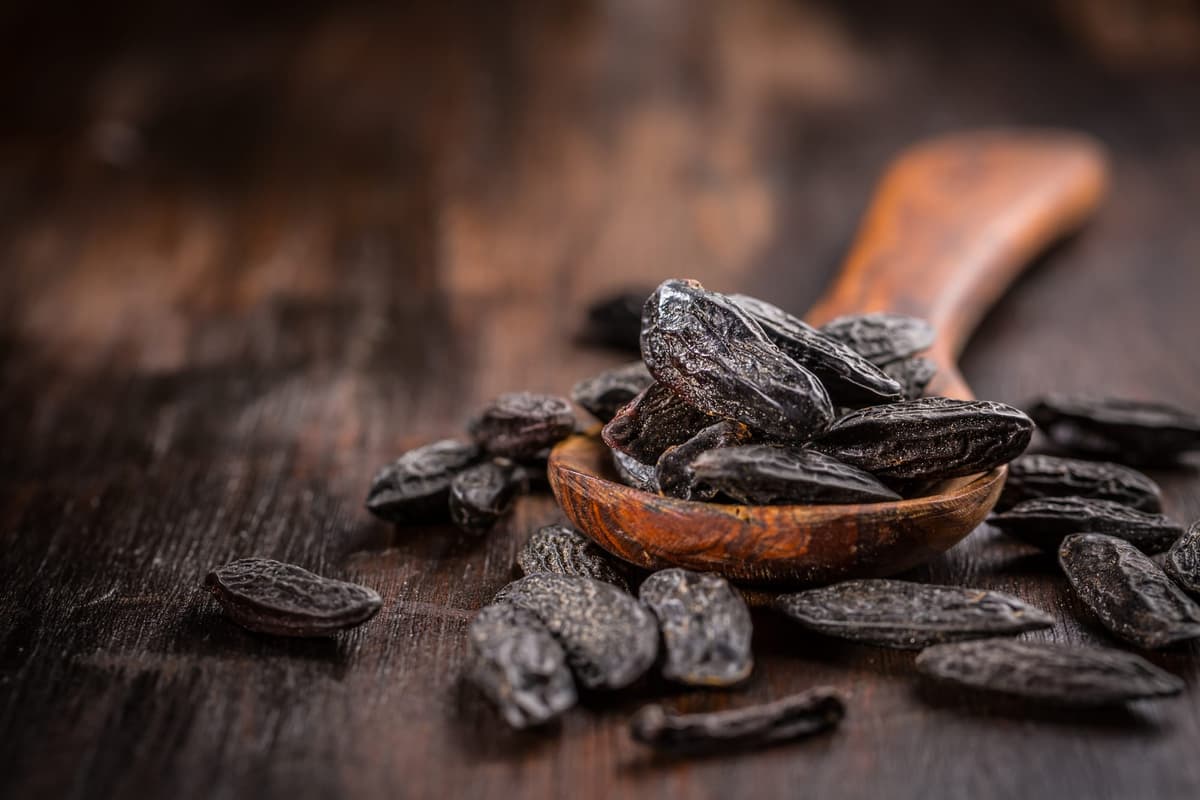
Group fragrance tastings and special events: social celebration, community building, and collective discovery
While individual/couple tastings provide intimate focused exploration, group fragrance tastings and special event formats offer unique social energy, community building, and celebratory atmosphere—different dynamics serving different purposes. GROUP TASTING DYNAMICS (4-8 Participants): WHEN GROUP FORMAT WORKS BEAUTIFULLY: Friend Groups (4-6 Close Friends): The Appeal: - Shared educational experience creating group memories and inside references - Social entertaining activity beyond typical restaurant/bar gatherings - Diverse reactions enriching everyone's learning: "You smell vanilla? I get tonka!" "This reminds me of my grandmother's garden" "I hate this but you love it—fascinating!" - Natural conversation and laughter making education playful rather than academic - Potential for future fragrance sharing/splitting (buy bottle together, share decants) Perfect For: - Birthday celebrations (friend gathering around birthday person) - Girls'/guys' night alternative (sophisticated social activity) - Visiting friends (showing them Santa Cruz cultural experience) - Social club gatherings (book club, women's group, friend collective wanting shared experience) What Makes It Work: - Everyone gets individual attention for their reactions - Small enough for intimacy (not anonymous lecture audience) - Large enough for dynamic diverse conversation - Shared discovery creating bonding and connection Couples' Groups (2-3 Couples Together): The Appeal: - Social date night alternative (beyond typical dinner-movie-drinks) - Couples discovering each other's preferences together with witness/support - Comparing partner dynamics: "My partner loves what your partner hates!" (entertaining and illuminating) - Building couple-friend connections through shared memorable experience Perfect For: - Regular friend-couple gatherings wanting something different - New couples (double-dating getting to know each other) - Anniversary celebrations (multiple couples celebrating milestones together) - Vacation together (SC visitors wanting local cultural activity) What Makes It Work: - Couples comfortable enough for honest reactions but social enough for entertaining - Discovering partner preferences publicly (vs. private intimate) - Shared references enabling future conversations: "Remember when Mark discovered he loves vetiver?" SPECIAL EVENT FORMATS: FRAGRANCE TASTING PARTIES (Private Group Events, 6-12 People): Structure: - Duration: 90 minutes (longer than standard session accommodating group dynamics) - Venue: Can be hosted at business location or private home (with portable scent tube setup) - Format: More party-atmosphere, less formal instruction, encouraging social interaction alongside education Perfect For: - Bachelorette/bachelor parties: Sophisticated alternative to typical bar crawl (educational, memorable, appropriate for diverse age/energy group) - Bridal showers: Finding wedding day signature scent, group support, celebrating bride's preferences - Birthday milestone celebrations: 30th, 40th, 50th birthday (sophisticated grown-up celebration) - Corporate team building: Creative bonding experience (discussing personal preferences, creative side, non-work context) - Book club special events: When group wants experience beyond reading and discussing What's Included: - Guided tasting across fragrance families - Group discussion and comparison - Individual attention for reactions but social energy prioritized - Optional: themed fragrances matching event (wedding-appropriate for bridal, masculine-exploration for bachelor) - Decant options for all participants Pricing: Group rates (per-person cost lower than individual sessions due to efficiency) CORPORATE/PROFESSIONAL EVENTS: Team Building Workshops: Format: - Professional context but personal exploration - 8-15 participants (team, department, small company) - Emphasizing: creative thinking, sensory awareness, communication skills, personal expression Value for Organizations: - Non-typical team building (not rope courses or trust falls—sophisticated cultural) - Accessible across abilities (sensory experience vs. physical challenge) - Fosters communication skills (articulating subjective experiences, respecting diverse preferences) - Creative thinking exercise (analyzing composition, pattern recognition) - Personal side revelation (colleagues discovering each other's aesthetic preferences beyond work personas) Perfect For: - Creative agencies (design, marketing, branding teams exploring sensory branding) - Tech companies (offering cultural sophistication balance to technical focus) - Healthcare organizations (wellness-aligned, sensory awareness professional development) - Hospitality businesses (customer-service staff developing sensory vocabulary and preference respect) Corporate Gifting Alternative: - Instead of generic gift baskets or branded swag, offering team fragrance tasting experience - Employees choose decants aligned with personal preferences (personalized meaningful gifts) - Creates positive memorable association with employer COUPLES' NIGHT EVENTS (Themed Group Date Night): Format: - Scheduled public event: "Couples' Fragrance Tasting Night—Third Friday Monthly" - 3-5 couples (6-10 people total) - Social mingling encouraged (meet other SC couples, build community) - Romantic date atmosphere but group energy Value for Couples: - Sophisticated date alternative (not just another restaurant) - Interactive discovery together (vs. passive movie watching) - Meet other local couples sharing interests - Memorable experience creating inside references ("Remember when you discovered you love oud?") Perfect For: - Established couples wanting novel date experiences - New couples (early dating stage, impressive thoughtful date) - Anniversary celebrations (milestone recognition with memorable activity) - Valentine's week alternative (romantic without cliché) WINE-FRAGRANCE TASTING HYBRID (Advanced Special Event): The Concept: Combining wine tasting AND fragrance tasting in single extended session—parallel sensory education highlighting similarities. Format: - Duration: 2-2.5 hours - Structure: Alternate wine and fragrance, highlighting parallels - Taste crisp white wine (Sauvignon Blanc) → smell fresh citrus fragrance (Acqua di Parma Colonia) → discuss: brightness, acidity/freshness, light body/subtle - Taste medium red (Pinot Noir) → smell floral fragrance (rose, iris) → discuss: complexity, elegance, subtle not overwhelming - Taste full-bodied red (Cabernet) → smell woody-oriental (sandalwood-amber) → discuss: richness, tannins/base notes, longevity - Teaching: Direct parallels making both wine AND fragrance more understandable - Setting: Requires wine license or BYOB format, ideal for home/private venue Perfect For: - Wine enthusiasts wanting to apply familiar skills to new domain - Sophisticated celebratory events (special birthdays, anniversaries) - Couples deeply into food/wine culture exploring parallel territory - Cultural sophisticates appreciating sensory education across domains Logistics: More complex (requires wine, food pairings, longer duration) but extraordinarily memorable unique experience. SEASONAL THEMED TASTINGS: Holiday Season Tasting (November-December): Theme: "Winter Holiday Fragrance Discovery—Sophisticated Scent Gifting" - Focus: Finding fragrances for yourself AND gift recipients - Timing: Pre-holiday (early November ideal—time for decant testing before full bottle purchase) - Special Element: Gift recommendation guidance ("Your mom loves gardenia—try these options"; "Your partner wears fresh—consider these sophistications") - Outcome: Confident fragrance gifting preventing generic Bath & Body Works defaults Summer Coastal Tasting (June-August): Theme: "Santa Cruz Summer Scents—Beach to Evening Versatility" - Focus: SC summer-specific (marine layer mornings, beach days, outdoor dining evenings) - Timing: Early summer (May/June)—learn before peak season - Special Element: Beach-appropriate testing (which fragrances harmonize with salt air, sun, ocean, casual outdoor lifestyle) - Outcome: Summer signature discovery perfect for SC coastal living Back-to-School Sophistication (August-September): Theme: "First Signature Scent—Young Adult Fragrance Introduction" - Focus: 18-24 year-olds (college students, recent graduates) developing adult fragrance relationship beyond body spray - Timing: Late August (UCSC students returning, freshmen arriving) - Special Element: Age-appropriate guidance (affordable, versatile, appropriate for campus/work/social), establishing good habits (testing before buying, understanding quality) - Outcome: Confident first quality fragrance purchase replacing generic drugstore defaults BENEFITS OF GROUP/EVENT FORMATS: Social Energy and Entertainment: - Laughter, surprise, diverse reactions creating dynamic atmosphere - Less serious than private focused session (though still educational) - Memorable social experience (not just learning) Diverse Perspectives: - 6 people = 6 different reaction sets enriching everyone - "I smell roses!" "Really? I get more iris powder" "Neither—I get makeup-y violet"—all valid, all teaching - Realizing: everyone experiences fragrance differently (no absolute truth, personal preference rules) Community Building: - Meeting other fragrance enthusiasts locally - Building SC fragrance community (shared language, future connection) - Creating friend groups bonding over shared interest Celebration and Occasion: - Marking milestones (birthdays, weddings, anniversaries, achievements) - Creating meaningful memories beyond material gifts - Sophisticated cultural activity reflecting well on organizer Cost Efficiency: - Group rates lower per-person cost (vs. private sessions) - Splitting expenses (friend groups sharing costs) - Value beyond individual education (social entertainment component) BOOKING GROUP TASTINGS: Minimum/Maximum Sizes: - Minimum: 4 people (enough for group dynamic) - Maximum: 12 people (beyond this, becomes lecture not intimate tasting) - Sweet spot: 6-8 (enough diversity, small enough intimacy) Advance Scheduling: - Group events require 1-2 weeks advance notice (coordinating schedules) - Special event formats (corporate, hybrid): 3-4 weeks advance (planning complexity) Pricing: - Per-person rate (lower than private session due to efficiency) - Minimum revenue threshold (ensuring worthwhile event) - Optional: decant purchases individual choice (some buy 2-3, others just experience) Whether intimate private tasting or lively group celebration, format exists matching your goals—focused personal education or social memorable community experience, both valuable in different ways.

Ready to Discover Your Signature Scent?

Book an appointment to explore fragrances in a guided, pressure-free environment.

Frequently Asked Questions

Related Topics

Santa Cruz Scent Flights

A scent flight is a curated fragrance discovery session where you explore multiple scents in a structured way. Using scent tubes instead of spraying, you'll experience fragrances without sensory overwhelm, making it easier to identify what truly resonates with you. Unlike traditional perfume counters where sales pressure and sensory chaos make choosing difficult, scent flights offer a calm, educational approach to finding fragrances you'll actually love.

Custom Scent Flight (Santa Cruz)

A custom scent flight is a personalized fragrance discovery session where we curate 10-15 scents based on your preferences, lifestyle, and what you're searching for. Unlike pre-set flights or random sampling, custom flights are meticulously tailored to your stated interests, goals, and taste profile. Before you arrive, we discuss what you're seeking—whether that's a signature scent, professional-appropriate option, special occasion fragrance, or comprehensive wardrobe building. This pre-consultation allows us to curate relevant selections from hundreds of possibilities, ensuring every fragrance you smell has genuine potential rather than wasting time on options unlikely to suit you. The result: efficient, focused discovery that respects your time while exposing you to fragrances you'd never find independently.

Scent Profiling in Santa Cruz

Scent profiling is systematic guided discovery process revealing your fragrance preferences, taste patterns, olfactory inclinations, and ideal fragrance directions through structured testing across fragrance families, notes, styles, and compositions—like having fragrance sommelier decode your taste, teaching you fragrance vocabulary and self-knowledge enabling confident independent navigation of perfume landscape. Most people approach fragrance randomly: trying whatever catches attention, blind-buying based on reviews/hype, accumulating bottles without clear direction, confused about why some work beautifully while others disappoint despite similar descriptions, unable to articulate preferences beyond vague "I like fresh" or "I want something sophisticated." Scent profiling replaces random exploration with systematic understanding: identifying which specific notes/families/styles resonate with you personally (not theoretically), discovering unexpected preferences you didn't know existed (many people surprised by what they actually love vs. what they thought they'd love), recognizing patterns explaining past successes and failures (suddenly understanding why certain purchases worked while others didn't), developing fragrance literacy (learning vocabulary articulating preferences to perfumers/retailers/friends), and creating decision-making framework for future exploration (knowing which new releases likely to appeal, which territories to explore deeper, which to skip entirely). The process combines intellectual analysis (identifying patterns, categorizing preferences, understanding structures) with embodied experience (actually smelling, reacting viscerally, discovering somatic responses to scent), conversation and reflection (discussing why certain fragrances appeal, what memories/associations they trigger, what contexts they suit), and practical application (taking home decants to test in real life, confirming or revising initial assessments, building collection strategically). For Santa Cruz residents—whether complete beginners overwhelmed by fragrance complexity, experienced wearers wanting to expand beyond current safe zones, collectors seeking curation direction, or anyone tired of expensive blind-buying mistakes and drawer full of unworn bottles—scent profiling accelerates discovery, prevents costly errors, builds confidence, and transforms fragrance relationship from confusing overwhelming hobby into enjoyable informed practice. You'll leave profiling session understanding not just "which three fragrances I liked today" but "what I generally love in fragrance, why I love it, what else I should explore, and how to talk about it"—knowledge serving you for years across countless future fragrance decisions, making initial profiling investment compound returns through improved choices, reduced waste, increased satisfaction, and fragrance literacy enabling independent sophisticated exploration.

Your First Niche Fragrance (Starter Guide)

Stepping into niche fragrance can feel overwhelming. Hundreds of brands, unfamiliar names, higher prices, and no familiar reference points. This guide helps you navigate your first niche purchase with confidence. Niche fragrance represents perfumery's craft movement: independent creators prioritizing artistry, quality ingredients, and creative risk-taking over mass appeal and marketing budgets. If you appreciate craft coffee, artisan bread, independent film, or small-batch spirits, you'll understand niche perfumery's value proposition. It's about supporting independent creators, accessing distinctive compositions unavailable through mainstream channels, and wearing fragrances that reflect personal taste rather than following trends. But where do you start? How do you choose from thousands of options without familiar brand recognition or department store accessibility? This guide provides clear entry points for your niche journey.