4 min read
Fragrance Families Explained
Fragrance families are the basic categories used to classify scents: Fresh, Floral, Woody, and Oriental. Understanding these helps you articulate preferences, navigate fragrance stores, and discover new scents in families you already know you love. Think of fragrance families as organizational system similar to music genres or wine varietals, broad categories helping you navigate vast landscape of options. When you say "I like woody fragrances," you're communicating entire aesthetic preference more efficiently than describing individual scents.

The Four Main Families
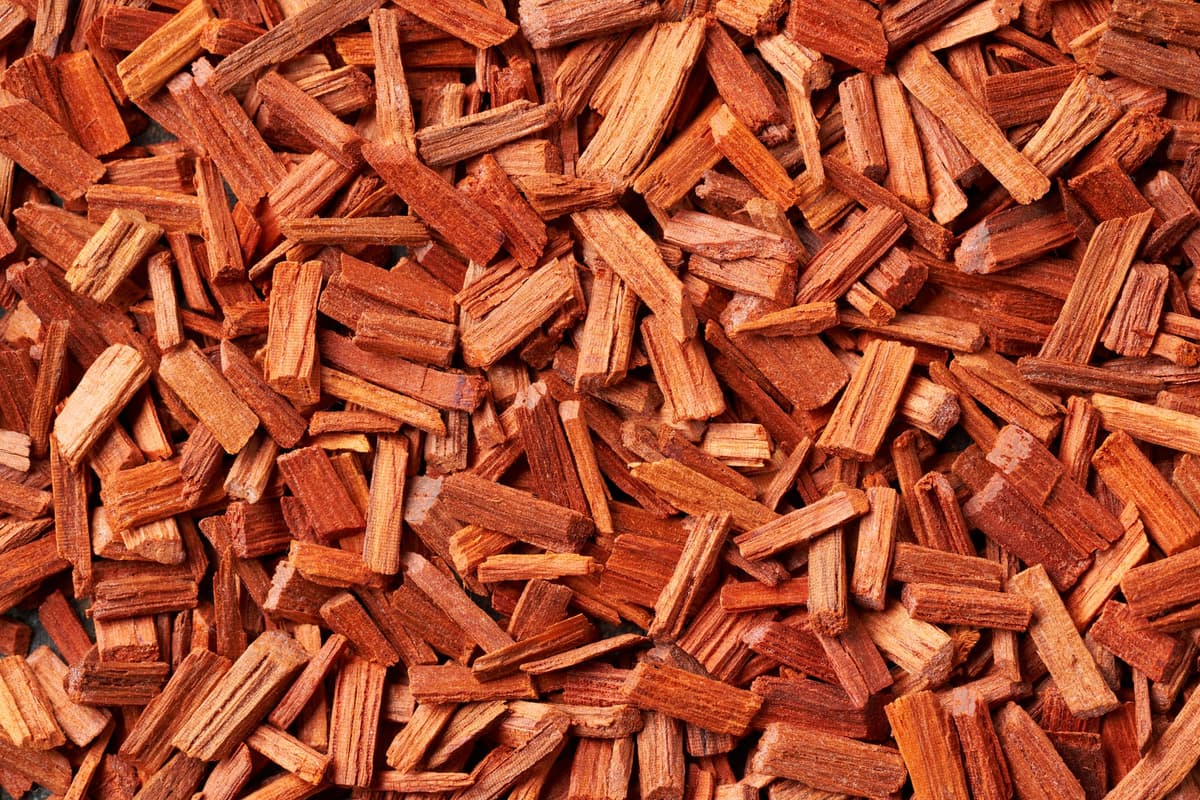
The classic system sorts scents into four broad families, each with its own mood and its own subcategories.
Fresh: Bright, clean, and energizing. This is home to citrus (lemon, bergamot, grapefruit, yuzu), green notes (cut grass, leaves, herbs), aquatic notes (that sea-breeze, watery feel), and light aromatics. Fresh scents read sunny and uplifting and tend to feel casual and easy.
Floral: Built around flowers, from a single rose or jasmine to lush bouquets. It ranges from soft and powdery to bright and dewy to rich and heady, and it is the biggest, most varied family of all.
Woody: Grounded and warm, centered on cedar, sandalwood, vetiver, and patchouli. These run from dry and crisp to creamy and smooth, and they feel sophisticated and steady.
Oriental (also called amber): Warm, rich, and sweet, built on amber, vanilla, resins, spices, and incense. This is the coziest, most enveloping family, and the one that reads most dressed-up. Almost every fragrance you smell is some blend of these four.
Subfamilies and Combinations
Real fragrances rarely sit in just one family. Most bridge two or three, which is where the hyphenated labels come from: Floral-Fresh, Woody-Aromatic, Oriental-Gourmand, Fresh-Aquatic, and so on. These combinations tell you how a scent blends categories.
A few show up constantly. Woody-Aromatic pairs woods with herbs like lavender, rosemary, and sage, giving a fresh, barbershop-ish lift over a grounded base. Oriental-Gourmand adds edible notes (vanilla, caramel, chocolate, coffee) to the warm oriental base, reading cozy and dessert-like. Fresh-Aquatic leans into that clean, marine, just-showered feeling. Floral-Woody-Musk softens flowers with woods and skin-like musks for a modern, understated effect. Modern perfumery blends freely, so learning to read these labels lets you decode a description before you ever smell it, and predict roughly whether something is your kind of thing. It pairs naturally with understanding how notes are layered inside a scent; see fragrance notes explained.
Browse Our Collection
Shop NowUsing Families to Navigate Discovery

If you know you love Woody fragrances but want variety, explore across Woody subcategories: dry cedar vs creamy sandalwood vs green vetiver vs rich oud. Or bridge to adjacent families: Woody-Aromatic adds freshness, Woody-Oriental adds warmth. This systematic exploration is more efficient than random testing.
Santa Cruz Family Preferences
Some families fit Santa Cruz more naturally than others. Fresh and Woody tend to be the local favorites, since they match the coastal, outdoorsy pace and stay easy in our mild climate. Modern florals work well too; it is mostly the heavy, powdery vintage florals that feel out of step here. Oriental scents can absolutely work, but the lighter, less projecting versions suit our small-space, scent-conscious culture better than the loud, room-filling ones.
None of this is a rule, just a starting bias worth knowing. The best way to find your family is to smell across all four in one sitting and notice which one you keep coming back to. That is exactly what a free scent flight is for: about ten fragrances through scent tubes, no purchase needed. Text (831) 295-2076 or book a time on a weekday, and we can guide you family by family.
Ready to Discover Your Signature Scent?
Visit in person for a guided, no-pressure session.
Frequently Asked Questions
Still Have Questions? Come Smell for Yourself
Stop by the shop to explore fragrances in person. No pressure, just guided discovery.
Related Topics
Your First Niche Fragrance (Starter Guide)
Stepping into niche fragrance can feel overwhelming. Hundreds of brands, unfamiliar names, higher prices, and no familiar reference points. This guide helps you navigate your first niche purchase with confidence. Niche fragrance represents perfumery's craft movement: independent creators prioritizing artistry, quality ingredients, and creative risk-taking over mass appeal and marketing budgets.
How to Test Fragrance Properly
Properly testing fragrance dramatically improves your odds of choosing scents you'll actually love, and it's the single best way to avoid expensive blind-buy regret. Most disappointing fragrance purchases come from testing badly: one quick sniff at a crowded counter, a nose already fatigued by five other sprays, no idea how the thing wears over a full day. Doing it right is a two-step process. First you narrow the field by smelling through scent tubes, which keeps each fragrance clean and separate. Then you live with the finalists on your own skin using [decants](/guides/what-is-a-decant). That first step is exactly what a [free scent flight](/flights) is for.