Best Sandalwood Fragrances

Sandalwood is prized for its creamy, woody character: less aggressive than cedar, warmer than vetiver, and incredibly versatile. It's a cornerstone of many great fragrances and beautiful on its own. Derived from heartwood of Santalum trees (primarily Indian Santalum album and Australian Santalum spicatum), sandalwood essential oil offers perfumery one of its most beloved warm woody notes—simultaneously creamy, smooth, milky, slightly sweet, and profoundly calming. Unlike sharper woods (cedar, cypress) or greener woods (vetiver), sandalwood provides gentle, embracing warmth without aggression or harshness. Its versatility spans centuries and cultures: sacred in Indian spiritual traditions, foundational in Middle Eastern attars, essential in Western perfumery, and increasingly celebrated in contemporary niche compositions. Quality sandalwood smells like liquid silk—smooth, refined, expensive in best sense—creating sophisticated woody presence without masculine or feminine coding, working equally beautifully across genders, seasons, and contexts.
Best Sandalwood Fragrances

Understanding Sandalwood's Character

Different sandalwood types and their characteristics
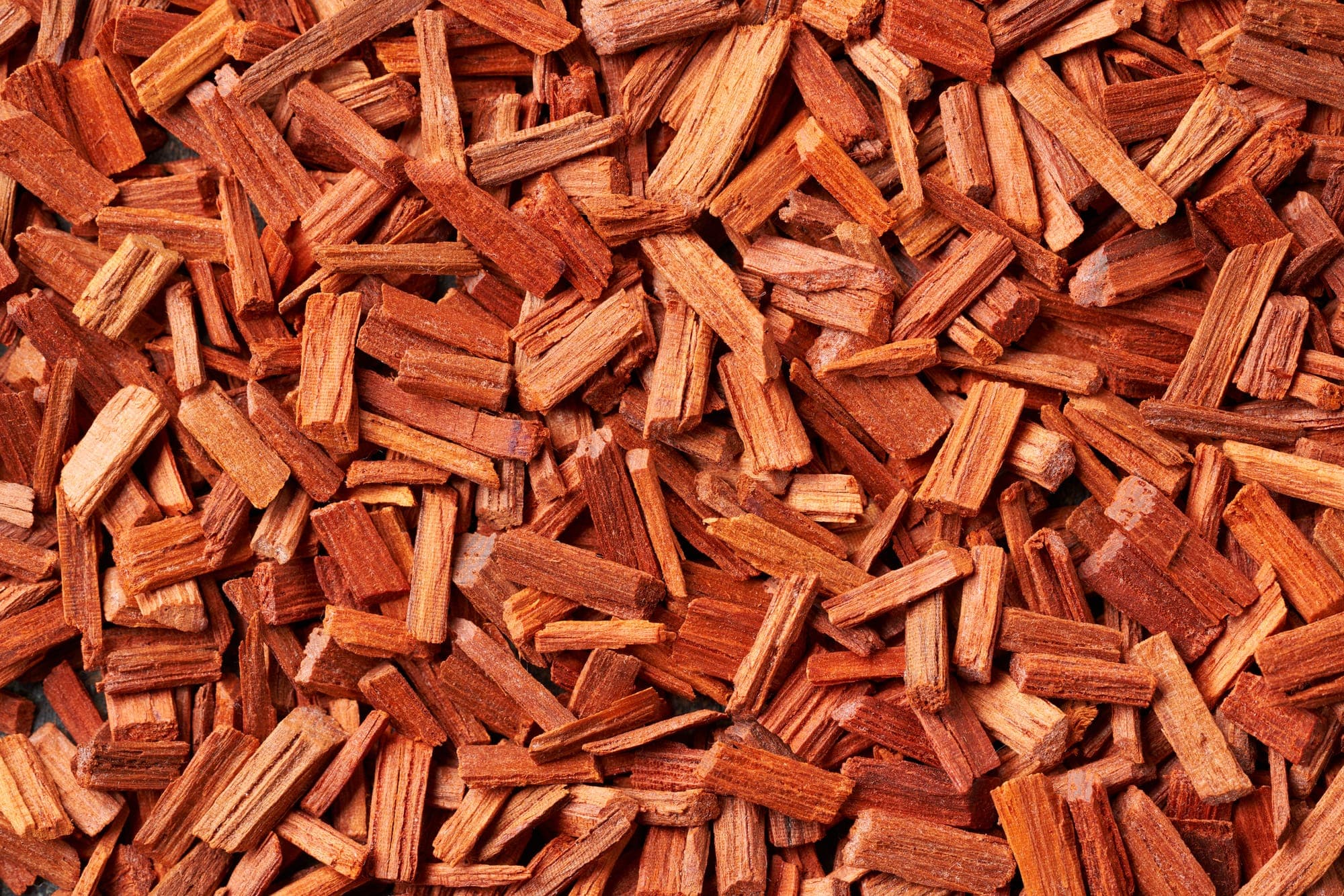
Real sandalwood (increasingly rare and expensive) has a soft, milky-woody quality that feels luxurious. It's grounding without being heavy, versatile enough for day or night, and works beautifully with almost any other note: citrus, florals, spices, or standing alone. The Sandalwood Aroma Profile: Multi-dimensional woody warmth: - Creamy Texture: Primary characteristic—smooth, almost milky quality - Soft Sweetness: Gentle sweetness without being sugary or cloying - Woody Depth: Unmistakably wood but refined, not raw timber - Slight Warmth: Radiating warmth without heat or spice - Buttery Smoothness: Round, soft, enveloping quality - Subtle Resinous: Slight balsamic undertone adding complexity This complex softness explains sandalwood's universal appeal—warm and comforting without any challenging aspects. Indian vs. Australian Sandalwood: Indian Sandalwood (Santalum album): - Quality Standard: Historically considered finest sandalwood - Characteristics: More complex, richer, deeper, more "milky" - Sustainability Crisis: Endangered due to overh arvesting and illegal trade - Availability: Extremely limited and expensive in modern perfumery - Price Impact: Fragrances with real Indian sandalwood cost significantly more Australian Sandalwood (Santalum spicatum): - Sustainable Alternative: Responsibly farmed, environmentally sound - Characteristics: Slightly drier, less creamy, more woody-earthy - Quality: Excellent quality, just different profile than Indian - Availability: Widely available, affordable, sustainable - Modern Preference: Many perfumers prefer Australian for ethical reasons Synthetic Sandalwood: - Necessity: Real sandalwood scarcity drove synthetic development - Key Molecules: Javanol, Sandalore, Ebanol (various sandalwood synthetics) - Quality: Modern synthetics are remarkably good—sometimes cleaner, more consistent than natural - Sustainability: Removes pressure on endangered sandalwood trees - Cost: Significantly cheaper than natural, allowing generous use Reality: Most contemporary sandalwood fragrances use combinations—natural Australian sandalwood for authentic character, synthetics for consistency and volume, possibly tiny amount of precious Indian for complexity. This hybrid approach delivers beautiful results sustainably.

Sandalwood Fragrances We Carry

Goldfield & Banks Silky Woods Elixir – Silky Australian sandalwood wrapped in pink pepper, cardamom, and iris creating warm refined elegance. This showcases quality sandalwood beautifully. Acqua Di Parma Colonia – Classic Italian cologne from 1916 with fresh citrus and aromatic herbs over vetiver, sandalwood, and patchouli creating timeless Mediterranean elegance. The sandalwood provides a smooth, creamy base. Dolce & Gabbana By – Mediterranean elegance pairing fresh citrus with clean white florals and smooth woods (sandalwood, vetiver, musk). Refined and versatile. Guerlain Rosa Rossa – Dancing Bulgarian rose paired with sparkling lychee over white musk, cedar, and sandalwood. The sandalwood grounds the florals beautifully. Zoologist Elephant – Emerging from lush canopy with invigorating tea and incense swirling with coconut-cocoa drying to elegant sandalwood. The sandalwood finish is smooth and luxurious. Zoologist Hyrax – Featuring rare hyraceum creating leathery animalic warmth with sandalwood, patchouli, and tonka bean. Complex and distinctive. Zoologist King Cobra – Exotic temple vibe with tiare flower and spiced tea over sandalwood, cashmere wood, and amber. The sandalwood provides warm elegance. Zoologist Rhinoceros – Leather and exotic spices over earthy vetiver, patchouli, sandalwood, and oud. The sandalwood adds creaminess to the rugged character. Molecule 04 – Minimalist featuring javanol and ambroxan creating soft creamy sandalwood-amber skin scent. Pure and wearable.

What Sandalwood Brings to Perfumery

What sandalwood brings to perfume compositions
Real sandalwood (increasingly rare and expensive) has a soft, milky-woody quality that feels luxurious. It's grounding without being heavy, versatile enough for day or night, and works beautifully with almost any other note: citrus, florals, spices, or standing alone. Functional Benefits in Composition: Base Note Stability: Sandalwood provides lasting foundation: - Heavy molecular weight prevents quick evaporation (8-12+ hour longevity) - Creates substantive presence supporting lighter top notes - Smooth drydown without harsh, scratchy woody quality - Maintains pleasant character throughout wearing (doesn't turn unpleasant) Blending Versatility: Works with virtually anything: - + Citrus: Provides warm landing for bright openings (Acqua di Parma Colonia) - + Florals: Grounds potentially cloying flowers with woody elegance - + Spices: Smooths sharp spices with creamy warmth - + Vanilla: Creates sophisticated gourmand rather than simple sweetness - + Other Woods: Blends beautifully with cedar, vetiver, oud - + Incense: Spiritual, meditative quality (traditional Indian attar territory) Few notes pair successfully with such diverse partners—sandalwood's neutrality and smoothness make it universal team player. Skin-Scent Quality: Sandalwood stays relatively close: - Doesn't project aggressively across rooms - Creates intimate woody aura around wearer - Appropriate for scent-sensitive environments - Others smell it during close interaction, not from distance Calming Properties: Aromatherapy research suggests sandalwood promotes: - Mental clarity and focus - Stress reduction - Meditative calm - Better sleep quality Whether placebo or genuine effect, many wearers report feeling centered and calm in sandalwood fragrances. Gender Neutrality: Perfectly unisex: - Not coded masculine (despite use in traditional masculines) - Not coded feminine (despite use in feminine florals) - Works beautifully on anyone regardless of gender expression - This neutrality makes sandalwood excellent for shared fragrances or couple scents

Sandalwood in Modern Fragrance

Sustainable sandalwood alternatives in modern perfumery
Due to sustainability concerns, many fragrances use Australian sandalwood or synthetic alternatives. Quality synthetics can be excellent, sometimes cleaner and more consistent than natural. Focus on how it smells, not just whether it's "real." The Sustainability Crisis: Indian sandalwood faces serious challenges: - Overharvesting: Centuries of demand depleted natural populations - Illegal Trade: Black market sandalwood trafficking (yes, really) - Slow Growth: Santalum album takes 30-50 years to maturity making quick replanting impossible - CITES Protection: Regulated under conservation agreements restricting trade - Scarcity: Genuine Indian sandalwood essential oil costs $1000-2000/kg (vs. $50-150 for most essential oils) This scarcity transformed sandalwood perfumery, requiring alternatives. Sustainable Modern Solutions: Australian Sandalwood Farming: - Sustainable Cultivation: Responsibly farmed Santalum spicatum - Environmental Ethics: No endangered species, no illegal trade - Quality: Different from Indian but genuinely beautiful - Availability: Reliable supply allowing generous use in fragrances - Price: More affordable enabling sandalwood-forward compositions Many excellent modern sandalwood fragrances use Australian sandalwood exclusively—this is GOOD thing. High-Quality Synthetics: - Javanol: Creamy, smooth, very close to natural sandalwood - Sandalore: Slightly cleaner, more linear than natural but beautiful - Ebanol: Woody-sandalwood character with longevity advantages Modern synthetics are sophisticated—in blind tests, many fragrance experts can't distinguish quality sandalwood synthetics from natural. The stigma against "synthetic" is often misplaced when synthetics are well-crafted. Hybrid Approach (most common): - Small amount natural sandalwood (Australian or sustainably-sourced) for authentic complexity - Synthetic sandalwood molecules for volume and consistency - Result: best of both worlds—natural character with synthetic reliability What Matters: How does it smell? Is it smooth, creamy, beautiful sandalwood impression? Origin matters less than quality and sustainability. A fragrance using excellent Australian sandalwood or quality synthetics ethically beats one using endangered Indian sandalwood illicitly sourced.

Why Sandalwood Works in Santa Cruz

Why sandalwood fragrances suit Santa Cruz culture and climate
Sandalwood fragrances tend to be close-wearing and sophisticated, perfect for Santa Cruz's preference for subtlety. They work year-round, complement outdoor lifestyles, and feel natural rather than performative. Cultural Alignment: Subtlety Values: Sandalwood's close-wearing nature suits local preferences: - Present but not overwhelming—respectful of shared spaces - Sophisticated without showing off - Quality over volume philosophy (aligned with Santa Cruz values) Spiritual/Wellness Culture: Sandalwood's meditative associations: - Local yoga studios, meditation centers, wellness spaces familiar with sandalwood - Aromatherapy culture appreciates sandalwood's calming properties - Spiritual-but-not-religious vibe matches Santa Cruz's open spirituality - Natural, earthy character resonates with environmental consciousness Professional Appropriateness: Sandalwood works across Santa Cruz's industries: - Tech: Subtle enough for offices, sophisticated enough for professional identity - Education: Appropriate for teaching, tutoring, educational contexts - Healthcare: Medical/therapy settings tolerating sandalwood's gentle presence - Creative: Artistic professionals appreciating sandalwood's refined aesthetic Climate Compatibility: - Year-Round Wearability: Never too heavy (even in sun), never too light (even in fog) - Humidity Handling: Sandalwood performs consistently across Santa Cruz's humidity variations - Temperature Range: 50-75°F range suits sandalwood perfectly - Indoor-Outdoor Transitions: Frequent in local lifestyle, sandalwood handles gracefully Lifestyle Integration: Outdoor Activities: Sandalwood appropriate for: - Beach walks (warm without being tropical cliché) - Hiking (woody without being literally forest-floor dirt) - Cycling (present enough to enjoy, subtle enough not to bother others on paths) - Yoga/exercise (calming quality suits wellness activities) Social Contexts: Versatile across situations: - Casual: Coffee shops, breweries, farmers markets—sandalwood feels naturally appropriate - Professional: Meetings, networking, work events—sophisticated without intimidating - Romantic: Dinner dates, evening walks—warm and intimate - Cultural: Art openings, concerts, theater—refined and interesting Why Sandalwood Feels "Santa Cruz": Intangible but real alignment: - Natural and earthy (connects to environmental values) - Sophisticated but unpretentious (mirrors local aesthetic) - Spiritual without being dogmatic (open, exploratory) - Quality-focused (substance over flash) - Timeless rather than trendy (classic good taste) - Accessible luxury (refined but not exclusionary)

Sandalwood Pairing Combinations

Classic sandalwood pairing combinations in perfumery
Sandalwood + Rose: Classic luxury pairing: - Creamy wood grounds potentially heady florals - Creates sophisticated rosy-woody elegance - Examples: Many niche rose fragrances, Diptyque compositions - Works beautifully across genders despite rose's feminine associations Sandalwood + Citrus: Fresh woody sophistication: - Bright opening (bergamot, lemon, orange) over warm sandalwood base - Creates approachable, versatile daily wear - Examples: Acqua di Parma Colonia, many Italian colognes - Perfect for professional and casual contexts Sandalwood + Vanilla: Cozy warm comfort: - Both provide warmth—sandalwood's woody, vanilla's sweet - Together create sophisticated gourmand without dessert impression - Examples: many oriental compositions, cozy fall fragrances - Comforting without being cloying Sandalwood + Incense: Spiritual meditative: - Both have sacred/spiritual associations in various traditions - Creates contemplative, serene, sophisticated atmosphere - Examples: Comme des Garçons Series 3 Incense, various niche - For people seeking deeper, more meaningful fragrance Sandalwood + Vetiver: Woody sophistication: - Combines smooth (sandalwood) with green-earthy (vetiver) - Creates complex, interesting, refined woody composition - Examples: various woody masculines, Hermès compositions - Professional, versatile, gender-neutral Sandalwood + Iris: Elegant refinement: - Powdery-rooty iris with creamy sandalwood - Creates sophisticated, expensive-smelling composition - Examples: Prada compositions, various luxury perfumes - Quiet luxury in fragrance form Sandalwood + Oud: Exotic woody richness: - Familiar (sandalwood) with mysterious (oud) - Sandalwood smooths oud's potential harshness - Examples: Tom Ford Private Blend, Diptyque Oud Palao - For adventurous woody-fragrance lovers

Ready to Discover Your Signature Scent?

Book an appointment to explore fragrances in a guided, pressure-free environment.

Frequently Asked Questions

Related Topics

Best Vetiver Fragrances You Can Sample

Vetiver is a grassy root that creates earthy, green, slightly smoky fragrances. It's grounding and sophisticated, works beautifully in coastal climates, and has become a cornerstone of modern perfumery. Extracted from the roots of tropical grass (Chrysopogon zizanioides), vetiver essential oil has been used in perfumery for centuries, valued for its complex earthy-woody-green character and exceptional longevity. Unlike many fragrance materials that smell one-dimensional, vetiver offers remarkable range: it can present as fresh and green, dark and smoky, citrus-bright, or deeply earthy depending on quality, origin, and how it's used in composition. For Santa Cruz's natural, outdoor-oriented culture, vetiver provides sophisticated green-woody presence that harmonizes with redwood forests, coastal vegetation, and earth-connected aesthetics. It's simultaneously refined enough for professional contexts and natural enough for hiking trails—versatile sophistication perfectly aligned with local lifestyle.

If You Like Woody Scents: What to Try Next

If you love woody fragrances, you're drawn to some of perfumery's most versatile, sophisticated, and universally wearable scents. But "woody" encompasses enormous range—from bright pencil-shaving cedar to creamy sandalwood to earthy green vetiver to dark mysterious oud. Understanding this spectrum helps you articulate what you specifically love about woods and guides you toward fragrances that amplify those qualities. Woods form the backbone of countless classic and modern compositions, often providing grounding, depth, and longevity while remaining approachable and wearable. Whether you're drawn to the fresh crispness of cedar, the creamy comfort of sandalwood, the sophisticated earthiness of vetiver, or the exotic intensity of oud, there's an entire universe of woody exploration waiting—and woods naturally complement Santa Cruz's redwood forests, outdoor lifestyle, and unpretentious aesthetic perfectly.

Coastal Clean Fragrances

Coastal clean fragrances capture the essence of ocean air, sea salt, and fresh breezes without smelling like sunscreen or laundry detergent. They're the olfactory equivalent of a perfect beach day. For Santa Cruz residents living where the Pacific meets the redwoods, coastal clean fragrances provide olfactory harmony with environment—scents that feel like natural extensions of our surroundings rather than imported foreign presences. These aren't generic "ocean breeze" department store clichés; they're sophisticated compositions evoking the specific character of California's central coast: salty mineral air, weathered driftwood, coastal cypress, sun-warmed rocks, and that distinctive ozone quality of marine fog. The best coastal clean fragrances smell like standing on West Cliff at dawn, walking through Natural Bridges, or experiencing that first breath of fresh air after fog lifts.