Best Bergamot Fragrances

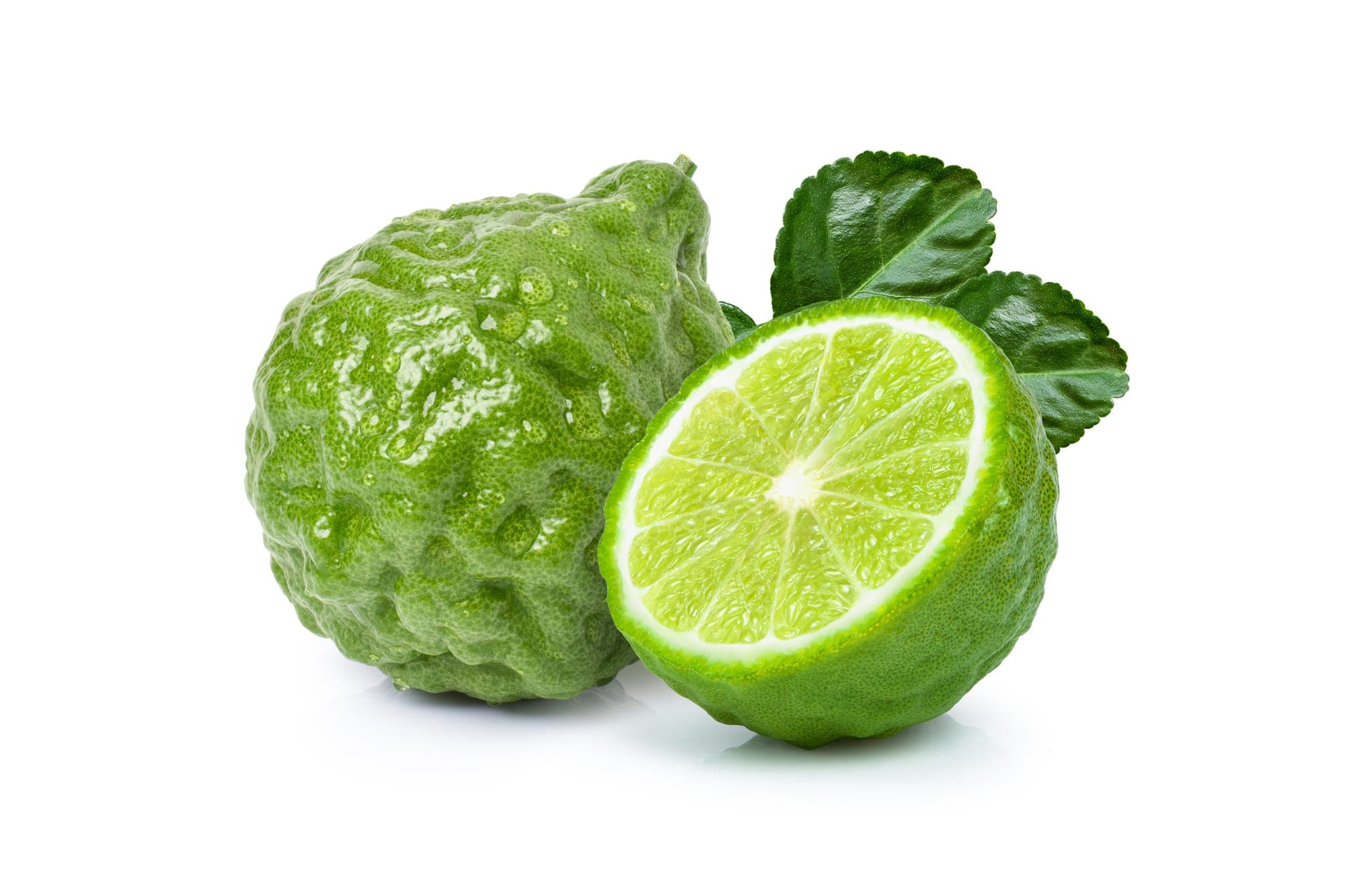
Bergamot is citrus's sophisticated cousin—bright like lemon but more complex, with slightly bitter, almost floral qualities. It's the backbone of classic cologne and appears in countless modern fragrances, providing elegant citrus that feels refined rather than basic. Derived from bergamot orange (Citrus bergamia), primarily grown in Calabria, Italy, bergamot essential oil combines citrus brightness with unique complexity: Earl Grey tea's distinctive character comes entirely from bergamot infusion. In perfumery, bergamot functions as irreplaceable top note—providing opening brightness with more sophistication than lemon, more elegance than grapefruit, more refinement than orange. Its subtle bitterness and tea-like quality prevent simple "cleaning product" association plaguing other citruses. This complexity allows bergamot to anchor both traditional masculines (classic colognes) and modern unisex compositions, appearing across virtually all fragrance families as universally appreciated opening note.
Best Bergamot Fragrances

Understanding Bergamot's Complex Character
Complex character of bergamot essential oil in perfumery
Bergamot (from bergamot oranges) has a complex profile: bright citrus with subtle floral undertones and slight bitterness. It's the signature note in Earl Grey tea and traditional cologne. This complexity makes bergamot more interesting than simple lemon or orange—it has depth while maintaining brightness. The Bergamot Aroma Profile: Multi-faceted scent suggesting multiple impressions: - Citrus Brightness: Primary characteristic—fresh, uplifting, immediately recognizable citrus - Floral Undertones: Subtle almost-rose or neroli quality distinguishing it from pure citrus - Herbal Bitterness: Tea-like character (Earl Grey association) adding sophistication - Slightly Spicy: Peppery nuances in quality bergamot oils - Green Notes: Fresh, natural quality preventing artificial impression This complexity explains bergamot's universal appeal—it's recognizable citrus with interesting character preventing monotony. Calabrian Bergamot Standard: Finest bergamot comes from Calabria (southern Italy) where unique microclimate produces superior essential oil. When fragrances specify "Calabrian bergamot," they're signaling quality commitment. This geographical specificity matters—Calabrian bergamot has more refined character, better balance, greater complexity than bergamot from other origins. Natural vs. Synthetic: High-quality fragrances use natural bergamot essential oil despite availability of synthetic alternatives. Natural bergamot provides irreplaceable complexity synthetic versions can't match. However, bergamot oil contains bergaptene (phototoxic compound causing skin sensitivity to UV), so perfumers often use bergaptene-free (FCF) bergamot oil for safety. Bergamot's Brief Life: Like all citrus top notes, bergamot evaporates quickly (30 minutes - 2 hours typically). This ephemerality explains why bergamot-heavy fragrances need regular reapplication or substantial base notes providing longevity after bergamot fades. Classic colognes accept brief lifespan; modern compositions use bergamot for opening then transition to longer-lasting hearts and bases.

Bergamot Fragrances We Carry

Acqua Di Parma Colonia – The definitive bergamot cologne from 1916. Calabrian bergamot with sweet orange and lemon creating timeless Italian elegance. This is what classic cologne should smell like. Dolce & Gabbana Light Blue – Iconic freshness with Calabrian bergamot and neroli over crisp apple. Mediterranean summer captured beautifully. Dolce & Gabbana By – Refined Mediterranean elegance with Calabrian bergamot and neroli pairing with clean white florals. Creed Virgin Island Water – Tropical paradise with Sicilian bergamot, Jamaican lime, and mandarin with white rum and coconut. Sophisticated beach vibes. Goldfield & Banks Silky Woods Elixir – Australian luxury with bergamot opening pink pepper and cardamom over silky sandalwood. Guerlain Aqua Allegoria Forte Nerolia Vetiver – Fig leaf, bergamot, and petitgrain with intense neroli. The bergamot provides sophisticated brightness. Guerlain Heritage – Complex chypre with bergamot, pink pepper, and rosemary over orris, patchouli, and tobacco. Refined masculine heritage. Guerlain L'Homme Ideal – Modern masculine with bergamot, star anise, and lemon over almond and tonka. Sophisticated sweet twist. Guerlain Aqua Allegoria Nettare di Sole – Bergamot and orange blossom with solar florals and honey. Warm sunny radiance. Guerlain Aqua Allegoria Orange Soleia – Bergamot and blood orange with pink pepper and mint. Photo-realistic citrus sunshine. Hermès Terre d'Hermès – Iconic grapefruit and orange opening over mineral gunflint and vetiver. The bergamot facet adds sophistication. Hermès Terre d'Hermès Eau Givrée – Icy grapefruit and juniper with bergamot nuances. Glacial freshness. Montblanc Legend Spirit – Fresh aromatic with bergamot, pink pepper, clary sage, and lavender. Elegant versatile masculinity. Montblanc Explorer – Adventurous with bergamot, pink pepper, and clary sage over green vetiver. Replica Beach Walk – Coconut milk and ylang-ylang with pink pepper and bergamot opening. Sunny beach warmth. Replica Under the Lemon Trees – Mediterranean lemon grove with bergamot, mandarin, neroli, and aromatic herbs. Pure citrus elegance. Replica Under the Stars – Romantic night with bergamot, blackcurrant, and pink pepper over powdery iris. YSL La Nuit De L'Homme – Seductive with cardamom, bergamot, and lavender over tonka. Masculine sophistication. YSL Y – Fresh modern with bergamot and apple over sage and amberwood. Confident masculinity.

Bergamot in Classic vs. Modern Fragrance

Bergamot in classic cologne vs modern fragrance structures
Traditional colognes are bergamot-heavy—that bright, sophisticated opening is almost entirely bergamot. Modern fragrances use bergamot more subtly, pairing it with woods, florals, or tea notes. Both approaches showcase bergamot's versatility and timeless appeal. Classic Cologne Structure (Eau de Cologne): Traditional cologne originated in early 18th century Cologne, Germany, establishing template: - Opening (90% of experience): Primarily bergamot with supporting citruses (lemon, orange, neroli) - Heart: Light aromatics (lavender, rosemary) and florals - Base: Minimal—light musks or barely-there woods - Concentration: Low (2-5%) for refreshing effect - Philosophy: Ephemeral refreshment rather than lasting scent Examples: Acqua di Parma Colonia, 4711, Guerlain Eau de Cologne Impériale. These are bergamot showcases—pure, bright, elegant, fleeting. Modern Bergamot Usage: Contemporary perfumery uses bergamot more strategically: - Opening Accent: Bergamot provides bright introduction before fragrance develops into other territories - Blended Top Note: Combined with other citruses, aromatics, or green notes creating complex opening - Extended with Base: Paired with substantial base notes (woods, musks, amber) ensuring fragrance persists after bergamot fades - Heightened Concentration: EdPs and Extraits use more bergamot oil while maintaining higher concentrations of lasting notes Modern Examples: - Tom Ford Grey Vetiver: Bergamot opening over sophisticated vetiver base - Chanel Allure Homme: Bergamot with tonka creating fresh-yet-warm composition - Le Labo Bergamote 22: Modern interpretation of bergamot forward fragrance with contemporary structure Modern approach delivers bergamot's brightness while addressing longevity limitations of pure cologne style. Tea Interpretations: Many modern fragrances emphasize bergamot's tea-like character: - Pair bergamot with actual tea notes (black tea, green tea, white tea) - Combine with mate or rooibos for herbal-tea quality - Add honey, citrus peel, or herbs creating "tea service" impression These compositions feel sophisticated, approachable, and contemporary.

Bergamot for Year-Round Wear

Unlike some citruses that feel summery, bergamot works year-round. Its slight bitterness and complexity make it sophisticated enough for cooler months while maintaining that bright freshness. In Santa Cruz's mild climate, bergamot fragrances are genuinely versatile across all seasons. Spring Wearing: Bergamot perfection in spring: - Matches season's fresh, optimistic energy - Bergamot's green, slightly floral character aligns with blooming gardens - Provides refreshment without excessive cooling in moderate spring weather - Works beautifully with spring wardrobes (light layers, fresh colors) Spring is arguably bergamot's ideal season—everything aligns perfectly. Summer Adaptability: Bergamot succeeds in summer despite challenges: - Advantages: Refreshing, uplifting, clean impression appropriate for heat - Challenges: Quick evaporation in heat means frequent reapplication - Strategy: Choose bergamot fragrances with substantial base notes extending longevity, or embrace ephemeral nature with pocket spray for reapplication - Santa Cruz Consideration: Our moderate "summer" (cool fog) allows bergamot wearing without intense heat challenges Fall Sophistication: Bergamot's secret talent—fall wearing: - Bitter, tea-like quality feels appropriate for transitional season - Provides brightness preventing fall fragrance wardrobes from becoming entirely heavy/dark - Pairs beautifully with fall spices (cardamom, clove, cinnamon) in compositions - Works with fall fashion (bergamot complements tweeds, wools, earth tones) Many people don't consider bergamot for fall, but it's surprisingly successful. Winter Possibilities: Bergamot can work in winter with caveats: - Choose compositions where bergamot opens but develops into warm base (bergamot + amber, bergamot + woods) - Avoid pure cologne-style bergamot in cold weather—feels discordant - Bergamot adds needed brightness to winter wardrobe otherwise dominated by heavy orientals and thick woods - Santa Cruz's mild winters (50-60°F) accommodate bergamot better than harsh cold climates Santa Cruz's Moderate Climate Advantage: Local conditions favor year-round bergamot: - Never too hot or cold for bergamot's moderate character - Humidity variations (fog vs. dry) affect performance but don't prohibit wearing - Indoor-outdoor transitions (common in Santa Cruz lifestyle) suit bergamot's versatility - Cultural preferences for fresh, natural scents align with bergamot character

Pairing Bergamot with Other Notes

Bergamot's versatility shines in combinations with various note categories: Bergamot + Woods: Creates sophisticated fresh-woody category: - Vetiver: Classic pairing—bergamot's brightness balances vetiver's earthiness (Terre d'Hermès, Grey Vetiver) - Sandalwood: Creamy woods with bright bergamot opening creates elegant comfort - Cedar: Dry, pencil-shaving cedar with bergamot feels clean and refined These combinations work across genders and contexts—universally appealing. Bergamot + Florals: Traditional but effective: - Neroli: Both from citrus tree family—natural synergy creating Mediterranean freshness - Jasmine: Contrasting brightness (bergamot) with richness (jasmine) creates complexity - Rose: Bergamot lightens and freshens potentially heavy rose compositions Floral-bergamot combinations feel elegant rather than purely feminine. Bergamot + Tea: Emphasizes bergamot's natural tea association: - Black tea + bergamot = Earl Grey fragrance (Hermès Concentré d'Orange Verte has this) - Green tea + bergamot = fresh, natural, meditative - White tea + bergamot = delicate, refined sophistication Tea-bergamot fragrances feel modern, approachable, wearable. Bergamot + Spices: Unexpected but compelling: - Cardamom: Adds aromatic lift to bergamot brightness - Pink Pepper: Creates sparkly, effervescent quality - Ginger: Enhances bergamot's slight spiciness Spice-bergamot combinations feel contemporary and interesting. Bergamot + Aquatics: Modern fresh category: - Marine notes + bergamot = sophisticated beach/ocean freshness (Hermès Eau de Gentiane Blanche) - Water lily + bergamot = dewy, natural freshness - Sea salt + bergamot = minerally, clean oceanic character Perfect for coastal Santa Cruz lifestyle.

Ready to Discover Your Signature Scent?

Book an appointment to explore fragrances in a guided, pressure-free environment.

Frequently Asked Questions

Related Topics

Best Citrus Fragrances You Can Sample

Citrus fragrances are bright, energizing, and universally appealing. but simple citrus colognes can be boring and short-lived. The best citrus fragrances add depth through pairing with woods, musks, or herbs, creating complexity while maintaining that fresh brightness.

Best Neroli/Citrus Blossom Fragrances You Can Sample

Neroli (orange blossom) creates fragrances that bridge fresh and floral—bright like citrus but softer and more complex, with a radiant, sunny quality that feels optimistic and wearable. Derived from flowers of bitter orange tree (Citrus aurantium), neroli essential oil represents perfumery's most sophisticated citrus note: simultaneously fresh, floral, slightly green, subtly sweet, beautifully radiant—transcending simple citrus brightness with complex floral depth. Named after Italian princess Anna-Maria de la Tremoille, princess of Nerola (17th century), who popularized orange blossom-scented gloves and bathing water, neroli has embodied Mediterranean luxury and sophistication for centuries. Unlike sharp citrus peels or heavy florals, neroli occupies perfect middle ground: fresh enough for daily wear, sophisticated enough for special occasions, floral enough to feel refined, bright enough to avoid heaviness. This unique balance makes neroli universally appealing across genders, ages, seasons, and contexts—one of perfumery's most versatile and beloved materials.

If You Like Citrus: What to Try Next

If you love citrus fragrances, you appreciate brightness, freshness, energy, and optimism. Citrus notes—lemon, bergamot, orange, grapefruit, lime, yuzu, mandarin—create immediate joy and sparkle. They feel clean, cheerful, and universally wearable. But there's enormous range beyond simple lemon cologne or drugstore citrus body wash. Understanding the citrus spectrum—from bitter grapefruit to complex yuzu to refined bergamot—and learning how citrus combines with lasting notes (woods, musks, aromatics) opens sophisticated territory that maintains that brightness you love while adding depth, longevity, and complexity. Pure citrus evaporates within hours; sophisticated citrus compositions last all day while retaining that fresh character. Whether you're drawn to bright sunny optimism (sweet orange), bitter sophistication (grapefruit, bergamot), exotic complexity (yuzu), or Mediterranean freshness (lemon-basil-rosemary), there's an entire universe of citrus exploration waiting—and citrus fragrances work beautifully in Santa Cruz's coastal climate, outdoor lifestyle, and sunny disposition.